
Issue
Great Lakes
On This Page:
Photo: Jeff Alexander / Charles Stewart Mott Foundation

Photo: Jenifer Veloso / Charles Stewart Mott Foundation
Highlights
Mott grantees helped inform and pave the way for the Great Lakes-St. Lawrence River Basin Water Resources Compact, which banned diversions of Great Lakes water to communities outside the basin, with limited exceptions. It also directed all eight Great Lakes states to improve management of water resources.
Grantees also informed the development of the federal Great Lakes Restoration Initiative. From its launch in 2010 through fiscal year 2024, the GLRI had provided $4.9 billion for more than 8,100 projects that cleaned up toxic hot spots, restored fish and wildlife habitat, and helped combat invasive species.
Mott helped to launch influential environmental institutions, such as the Environmental Grantmakers Association and the Great Lakes Protection Fund.
Based on what we learned from the Flint water crisis, Mott expanded our freshwater grantmaking portfolio to support work on drinking water safety and affordability.
The Foundation adopted a One Water approach, which manages all water — whether it comes from a tap, lake, stream, aquifer, storm or sewer — in a collaborative, integrated and holistic manner.
Mott grantees focused public and policymaker attention on the problems of lead and per- and poly-fluoroalkyl substances (PFAS) in drinking water. Their research informed the development of groundbreaking drinking water standards that are more protective of public health.
Protecting the resource that makes our region great
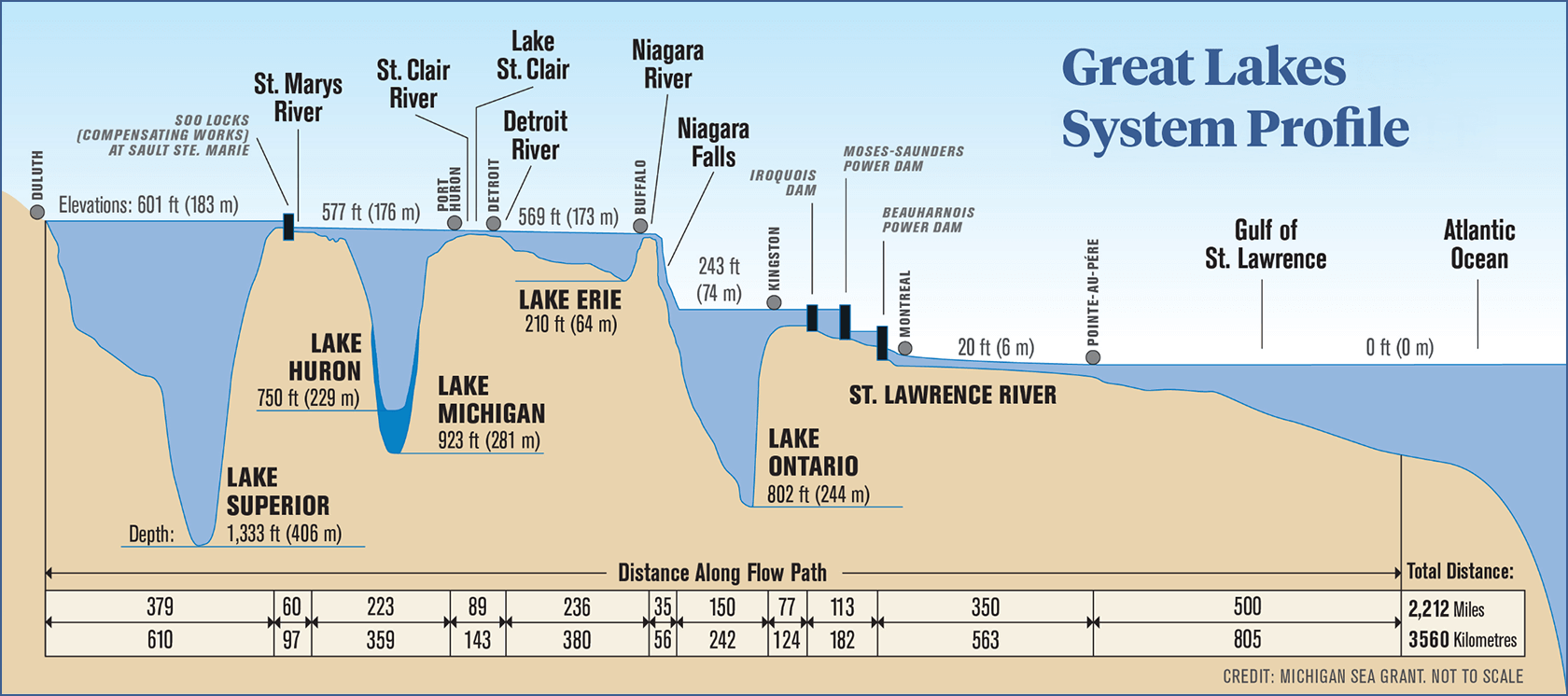
The Great Lakes are an extraordinary natural resource — a group of interconnected lakes and rivers that span 94,000 square miles and constitute the largest freshwater system on the planet. The lakes contain 20% of all surface freshwater on Earth, provide drinking water for more than 40 million people in the U.S. and Canada, support more than 3,500 species of plants and animals, and are the lifeblood of a $6 trillion regional economy.
With Mott’s hometown of Flint located in the heart of the Great Lakes watershed, it was fitting that the lakes would feature prominently in the Foundation’s environmental grantmaking.
Toxic chemicals that threatened the lakes and public health spurred some of Mott’s earliest environmental grantmaking in the late 1970s. The Great Lakes became a pillar of that work in 1987, when the Foundation formally established its Environment program.
As of 2025, Mott had provided more than $169 million in grants to 143 organizations working on Great Lakes issues in the eight states that border the lakes, as well as the Canadian Province of Ontario. That work has informed discussions around many of the most important Great Lakes issues of the past 50 years, including efforts to reduce toxic chemicals in the lakes, restore damaged ecosystems, prevent diversions of Great Lakes waters to communities outside of the basin and combat invasive species.
We place special emphasis on the Great Lakes region — not only because the shores of our home state of Michigan touch four of the five Great Lakes, but also because the Great Lakes are the single largest system of surface freshwater on Earth. As such, they affect the physical, social and economic well-being of tens of millions of people in and beyond the region.”William S. White, former president and CEO, in the Mott Foundation’s 2013 Annual Report

Focusing on the connections among land, water and people
The Foundation’s foray into Great Lakes grantmaking was driven largely by two seminal events in U.S. history: a 1969 fire on Ohio’s Cuyahoga River, which focused public attention on pollution in Lake Erie; and the Love Canal disaster near Buffalo, New York, in 1978, when 21,000 tons of toxic chemicals dumped into an aborted canal began seeping into nearby homes, threatening public health.
The Cuyahoga River fire led to passage of the federal Clean Water Act, as well as a stronger agreement with Canada to protect the Great Lakes. Mott grantees have worked for decades to monitor implementation of those measures.
The Love Canal disaster spurred development of the federal Superfund program, which funded cleanups at the nation’s worst toxic waste dumps. The uproar over the problem eventually led the federal government to evacuate 950 families living in neighborhoods along the canal. It also influenced the Foundation’s environmental grantmaking. In the mid-1980s, for instance, Mott supported a collaboration between citizens residing in a contaminated area of Woburn, Massachusetts, and Harvard University scientists. That work produced groundbreaking research on the connections between toxic waste contamination and public health.
Mott’s leadership and funding also helped launch influential environmental institutions, such as the Environmental Grantmakers Association and the Great Lakes Protection Fund. And we supported a national hydropower reform that improved thousands of miles of U.S. rivers, including many in the Great Lakes basin.
At the dawn of the 21st century, the Foundation provided funding to help grantees conserve numerous ecologically important sites around the Great Lakes. With support from Mott and other funders, our grantees protected over 400,000 acres of ecologically significant sites, including 15 miles of Great Lakes shoreline, miles of scenic rivers and even an island in Lake Erie.
Much of that work was made possible by the Great Lakes Revolving Loan Fund, which for the first time provided short-term financing to help land conservancies protect environmentally important sites in the Great Lakes basin. The loan fund, which helped protect 136,000 acres at 67 different sites, was a game-changer for conservancies.
“The Conservation Fund changes the optics for land conservancies, from ‘Can we do this?’ to ‘There’s the finish line, and this is how we’re going to get there.’ That is an amazing thing,” said Tom Nelson, executive director of the Leelanau Conservancy, in a 2017 article on mott.org.

A $3 million loan from the Great Lakes Revolving Fund helped the Land Conservancy of West Michigan acquire 170 acres of coastal dunes adjacent to Saugatuck Dunes State Park. Once targeted for development, the property is now part of the state park.
Photo: The Conservation Fund
Photo: The Conservation Fund
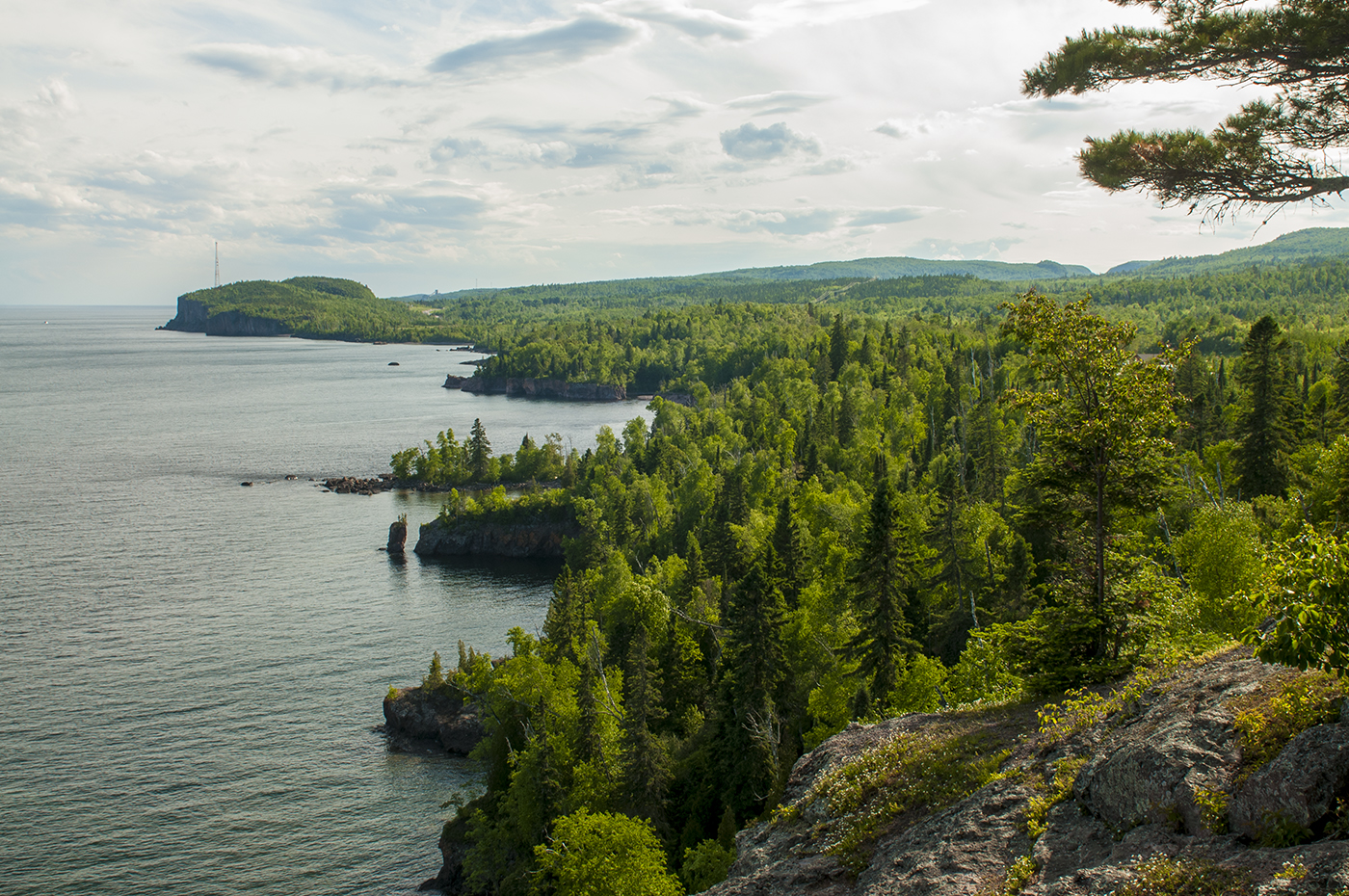
A land trust in Minnesota borrowed $475,000 from the Great Lakes Revolving Fund to acquire five acres of privately owned land within the boundaries of Tettegouche State Park, on the north shore of Lake Superior. The parcel was then added to the park.
Photo: Danen Williams
Photo: Danen Williams
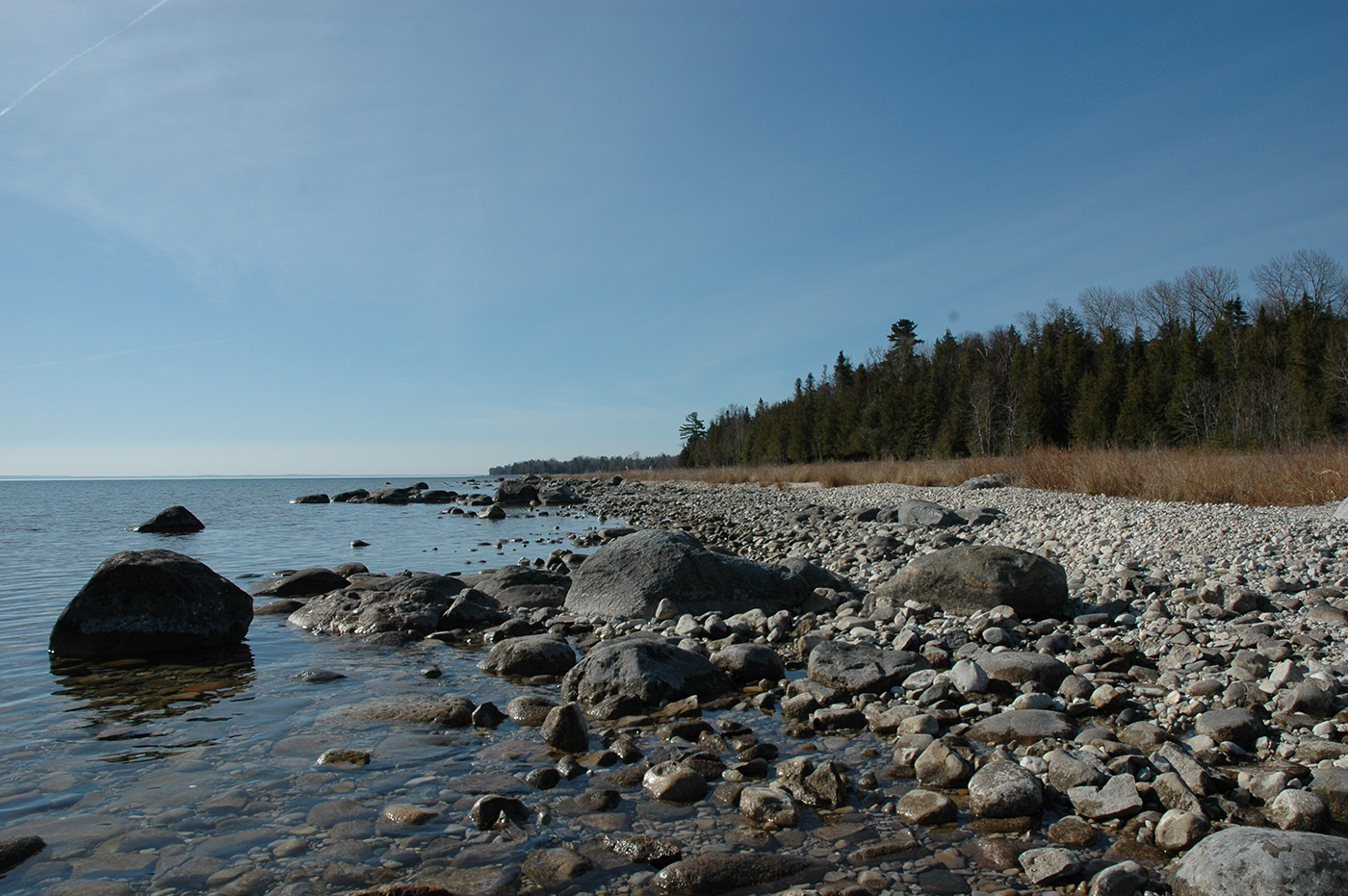
The Leelanau Conservancy borrowed $2 million from the Great Lakes Revolving Fund to acquire this 51-acre parcel on Lake Michigan. The land was added to Leelanau State Park.
Photo: Ken Scott
Photo: Ken Scott
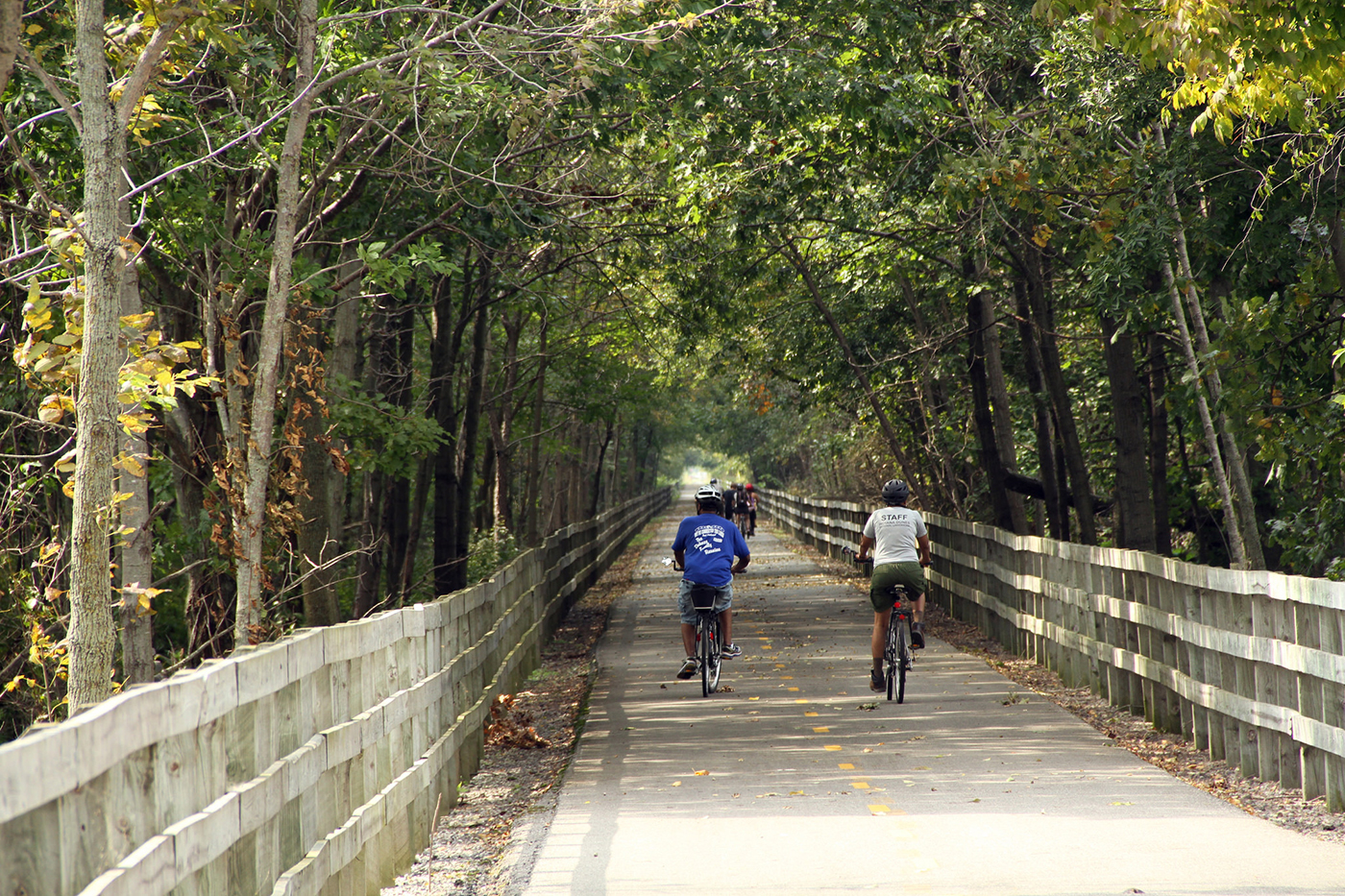
Bikers travel along the Oak Savannah Trail, a 9-mile trail near Gary, Indiana. It is part of a network of trails that links an urban area to the Indiana Dunes National Lakeshore. A $636,000 loan from the Great Lakes Revolving Fund was used to purchase and preserve 74 acres of land for the trail.
Photo: Indiana Dunes National Lakeshore
Photo: Indiana Dunes National Lakeshore
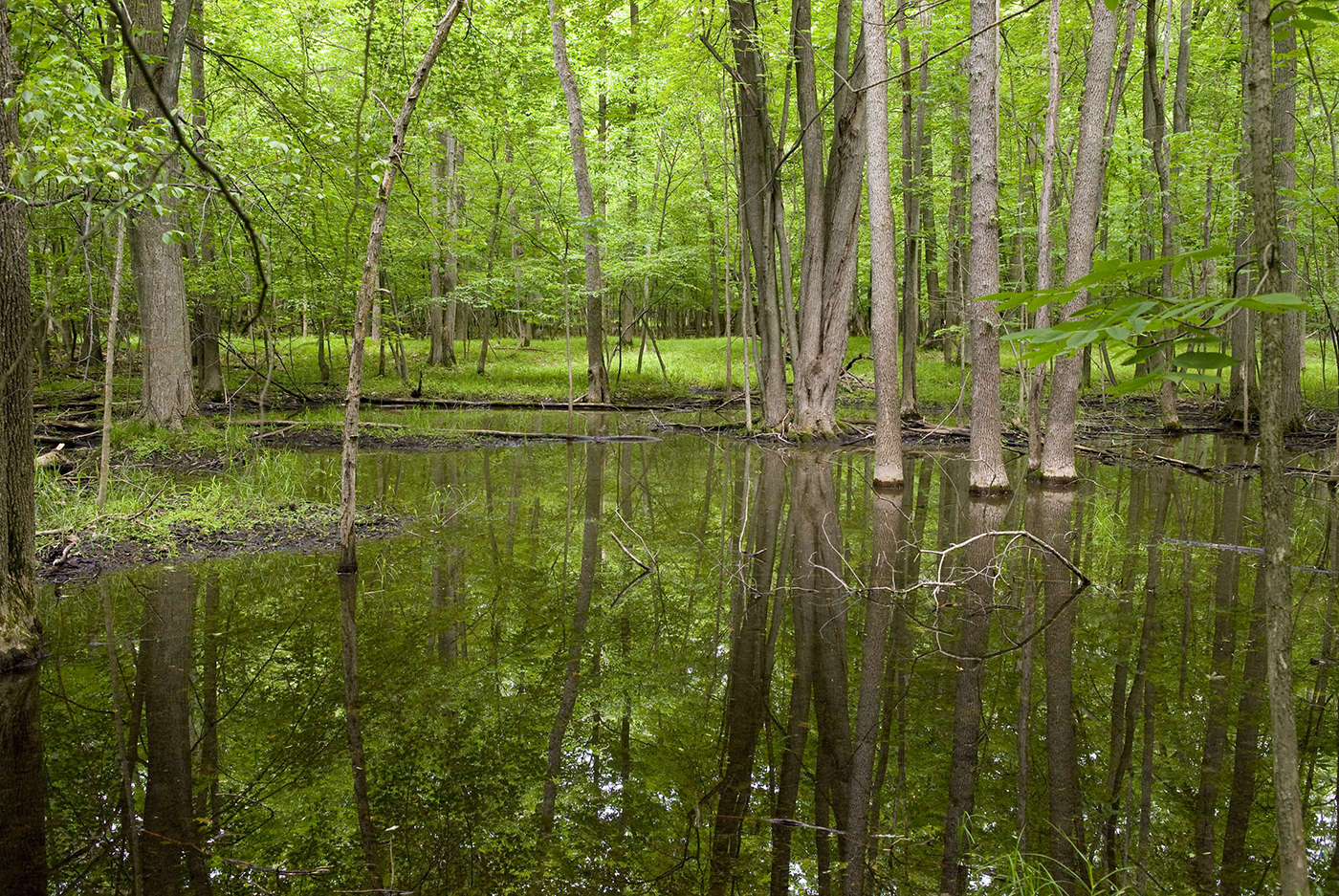
The Little Forks Conservancy in central Michigan used a $1 million loan from the Great Lakes Revolving Fund to acquire 419 acres of land along the Tittabawassee River. The site is now the Riverview Natural Area.
Photo: Lyndsay Stoddard
Photo: Lyndsay Stoddard

The Great Lakes Revolving provided a $2.9 million loan to help the state of Ohio acquire North Bass Island. Located in western Lake Erie, the 590-acre island was home to a commercial vineyard for more than a century. It is now North Bass Island State Park.
Photo: John Rees
Photo: John Rees

A kayaker explores a scenic stretch of the Crystal River near Glen Arbor, Michigan, where a developer wanted to build a golf course. A $2.2 million loan from the Great Lakes Revolving Fund helped the Leelanau Conservancy acquire the property, which was later added to Sleeping Bear Dunes National Lakeshore.
Photo: Ken Scott
Photo: Ken Scott
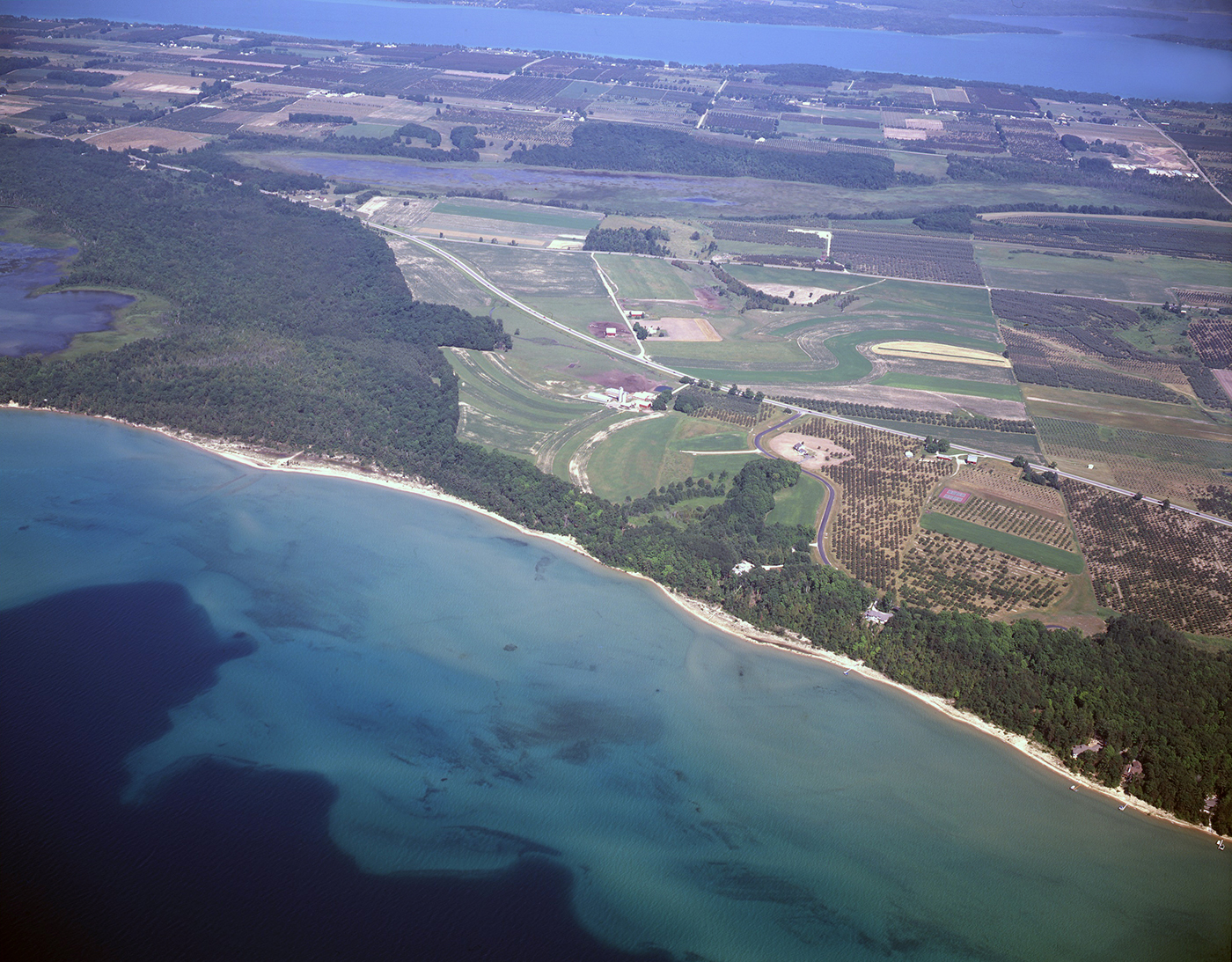
The Grand Traverse Regional Land Conservancy borrowed $500,000 from the Great Lakes Revolving Fund to acquire a 58-acre farm on the coast of Lake Michigan. It is now the Maple Bay Farm Nature Reserve.
Photo: Grand Traverse Regional Land Conservancy
Photo: Grand Traverse Regional Land Conservancy

The Western Pennsylvania Conservancy borrowed $2.4 million from the Great Lakes Revolving Fund to acquire Erie Bluffs, the last mile of undeveloped shoreline along Pennsylvania’s portion of Lake Erie. It is now Erie Bluffs State Park.
Photo: Pennsylvania Department of Conservation and Natural Resources
Photo: Pennsylvania Department of Conservation and Natural Resources
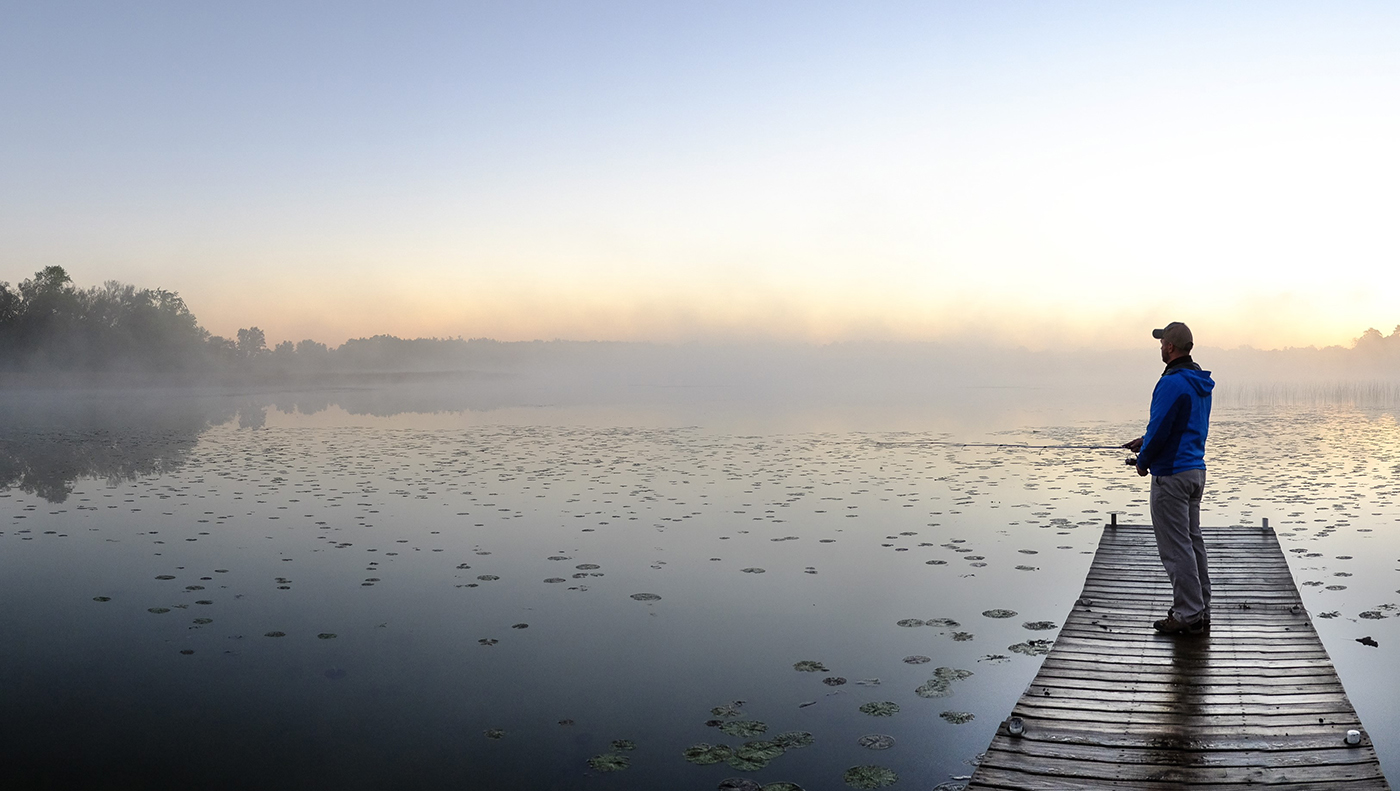
An angler fishes in a wetland that is part of Milwaukee’s Greenseams storm water management program. The program uses open spaces and wetlands to trap and filter storm water before it reaches Lake Michigan.
Photo: Ivan LaBianca
Photo: Ivan LaBianca

The Great Lakes Revolving Fund was used to purchase a conservation easement on 3,236 acres of “working” forest in New York. The easement prohibits future development but allows sustainable logging.
Photo: The Conservation Fund
Photo: The Conservation Fund
1/11
Water quantity takes center stage
In the early 2000s, Mott supported organizations whose work informed and helped pave the way for the Great Lakes-St. Lawrence River Basin Water Resources Compact. Approved in 2008, the landmark federal law banned diversions of Great Lakes water to communities outside the basin, with limited exceptions. It also required all eight Great Lakes states to improve management of water resources.
The Compact was developed after a Canadian entrepreneur obtained a permit in 1998 to ship 156 million gallons of Lake Superior water annually to Asia. At the time, existing laws could not prevent diversions of Great Lakes water to thirsty communities outside the basin. Passage of the Compact was one of the great legal and regulatory achievements designed to protect the Great Lakes.
“The Compact is a shining example of getting together and working on an issue before there is an abject crisis. It’s a model for the world,” said Frank Ettawageshik, a former tribal chair of the Little Traverse Bay Bands of Odawa Indians, who worked on the Compact.
Mott provided $4.5 million over the course of 15 years to support organizations whose work informed the development and implementation of the Compact. Because Mott funds cannot be used to support lobbying activity, the Foundation provided support for research, advocacy and monitoring efforts.
“Mott provided critical funding to groups across the region, throughout the entire process,” said Molly Flanagan, a longtime Great Lakes advocate. “Without Mott, the Compact would not be as strong as it is today.”
In 2025, Mott provided funding to help “future-proof the Compact,” to ensure that the law can withstand new challenges.
Data source: Great Lakes Commission
Cleaning up past problems, addressing new challenges
The early 2000s saw several Mott grantees work to inform the development of the federal Great Lakes Restoration Initiative, the largest environmental restoration project in the region’s history. From its launch in 2010 through fiscal year 2024, the GLRI had provided $4.9 billion for more than 8,100 projects that cleaned up toxic hot spots, restored fish and wildlife habitat, and helped combat invasive species.
The GLRI also has been an engine for economic growth. A Mott-funded study found that every $1 spent on GLRI projects completed between 2010 and 2016 produced $3.35 in additional economic activity.
Interactive map of all GLRI projects
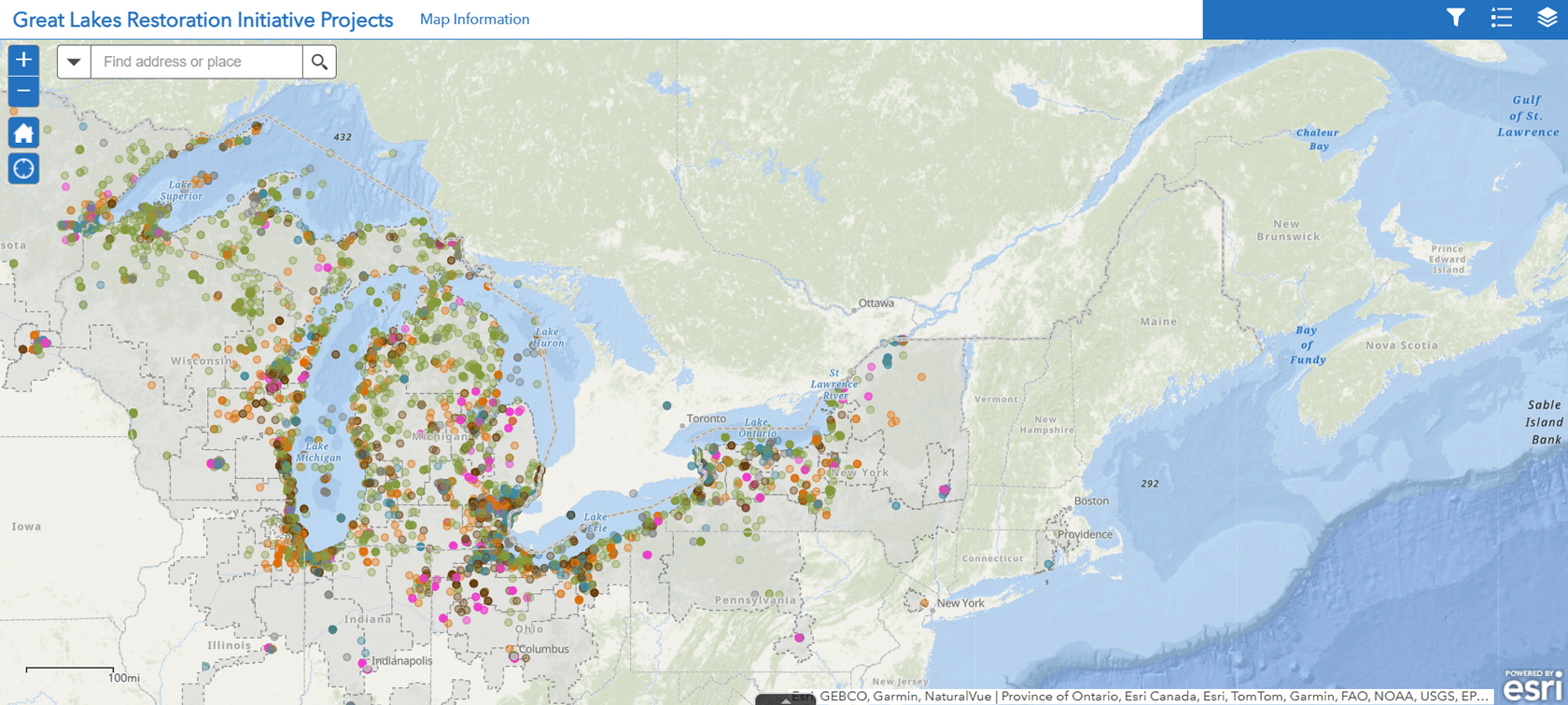
Data source: Environmental Accomplishments in the Great Lakes (EAGL) information system
This map shows the symbolic location of all Great Lakes Restoration Initiative projects funded between fiscal years 2010 and 2024. Projects implemented in many locations or at a Great Lakes basin-wide level are represented by a symbolic location provided by the funding agency.
While the GLRI was funding projects that removed tons of toxic sediment from the lakes and restored fish and wildlife habitat, a new set of threats began to emerge. Among the concerns: potential spills from an aging oil pipeline that crosses a five-mile-wide channel between lakes Michigan and Huron; water polluted by per- and poly-fluoroalkyl substances (PFAS), a class of synthetic compounds known as forever chemicals; and a water crisis in Mott’s hometown of Flint that caused a public health emergency. Mott grantees played key roles in addressing all those issues.
Based on what we learned from Flint’s water crisis, Mott expanded its freshwater grantmaking portfolio to support work on drinking water safety and affordability. The Foundation adopted a One Water approach, which manages all water — whether it comes from a tap, lake, stream, aquifer, storm or sewer — in a collaborative, integrated and holistic manner.
The Foundation’s grantees focused public and policymaker attention on the problem of lead and PFAS compounds in drinking water, and their research informed the development of groundbreaking drinking water standards that are more protective of public health.
Their work was yet another example of Mott grantees tackling urgent problems and working tirelessly to bring about changes that better protect the Great Lakes and the communities that rely on them for sustenance.