
Issue
Access to Justice

Photo: Courtesy of the Social Change Assistance Trust

Photo: Courtesy of Black Sash
Highlights
The Mott Foundation supports efforts to help people access knowledge and tools to understand, use and shape the law to protect their rights and improve their lives.
Grantees in Africa and Ukraine have reached 3 million people with justice services since 2019.
Through 2025, Mott’s grantmaking across Africa has supported 1,200 community organizations and provided training to nearly 20,000 community justice workers.
Between 2021 and 2025, the Legal Empowerment Fund, which was co-founded by Mott, awarded grants to 288 grassroots justice organizations doing wide-ranging work to help individuals and communities access justice around the world.
Access to justice — the ability for all people to address their legal problems and priorities fairly and effectively — is essential to creating a just, equitable and sustainable society. It’s a fundamental principle that ensures everyone can understand and act on legal information, access legal services and navigate the justice system, whether through formal or informal means.
The Mott Foundation’s commitment to access to justice dates back to the 1980s and early 1990s, when we began supporting paralegal services and community advice offices in South Africa. These grassroots community justice defenders helped people who were arrested because of collective action against the apartheid government.
The oldest CAO network organization in South Africa, Black Sash played a vocal, sustained role in fighting apartheid by organizing peaceful protests, providing legal aid to oppressed communities and standing as one of the few consistent voices of resistance against the apartheid government. Since it was founded in 1955, Black Sash has helped hundreds of thousands of South Africans through its legal advice offices, social advocacy and human rights campaigns. It celebrated its 70th anniversary in 2025.
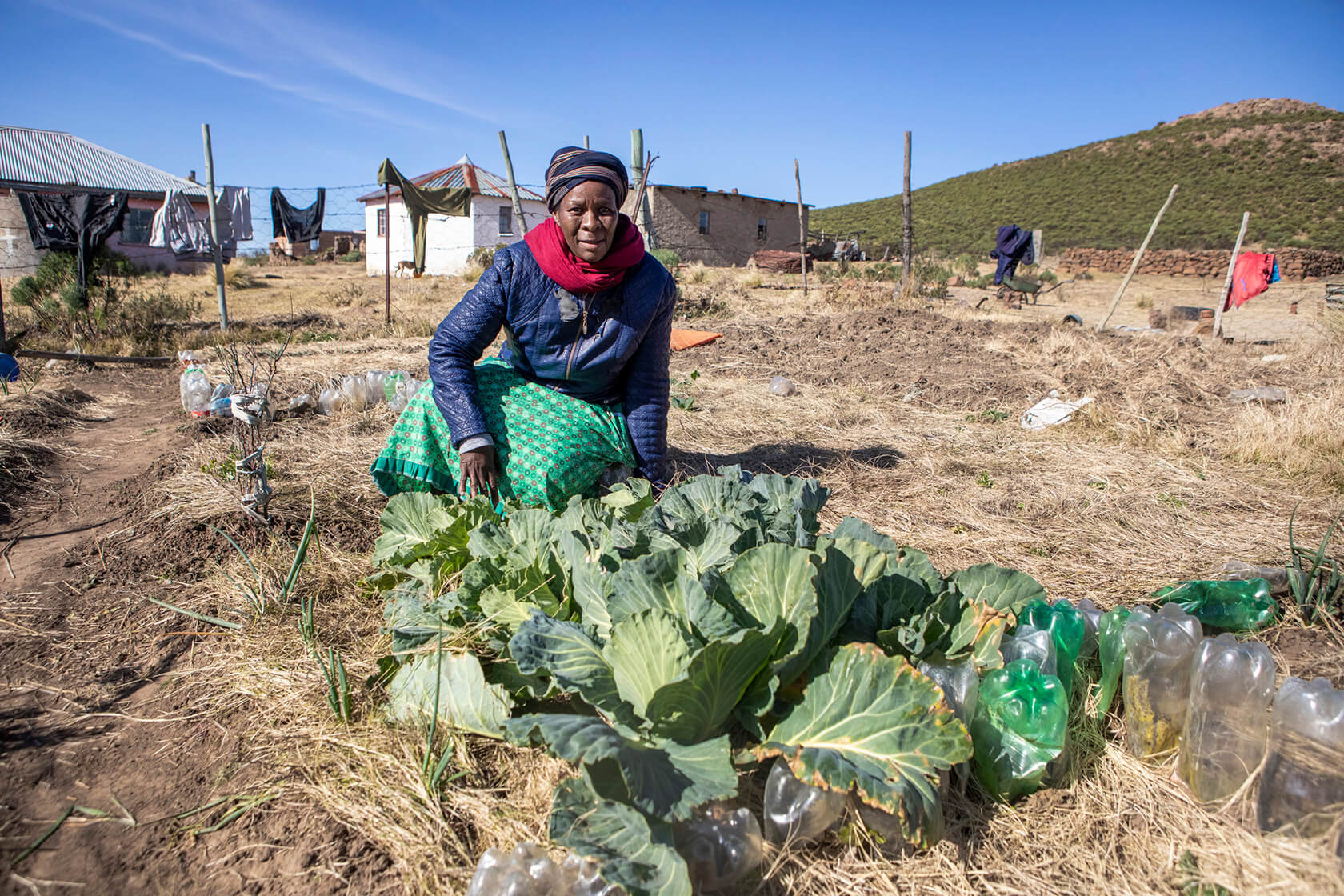
The Social Change Assistance Trust, another notable nonprofit organization Mott has long supported in South Africa, has funded rural organizations and community advice offices in the country for over four decades.
By 1991, the Mott Foundation had given nearly a dozen grants to organizations supporting South African CAOs, funding offices across the country to deliver legal assistance and engage in advocacy. Mott’s support related to CAOs in South Africa totaled $27.9 million as of 2025.
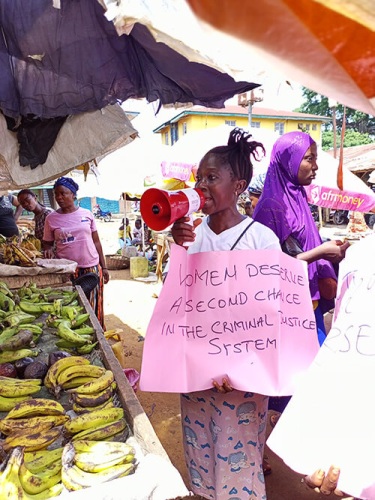
In the decades that followed the end of apartheid, the Foundation expanded its efforts beyond South Africa. By 2014, this included support for community legal centers in Ukraine. Furthermore, in 2017, a report commissioned by Mott recommended four African countries in which the Foundation could meaningfully expand its work — Kenya, Malawi, Rwanda and Sierra Leone.
In 2019, justice work in Kenya, Malawi, Rwanda, Sierra Leone and Ukraine formally became a part of the Civil Society program plan — joining Mott’s decades of legal aid grantmaking in South Africa. In the same year, Mott awarded its first grant to the newly established African Centre of Excellence for Access to Justice, which was launched in 2017 as a network of nonprofit legal aid providers spanning 13 African countries. This grantmaking expansion was driven by Mott’s desire to make a deeper commitment to people-centered justice and to actively cultivate global learning networks to support the field. Since then, people-centered justice has emerged as the primary lens through which Mott’s Civil Society program advances justice system reforms and service delivery.
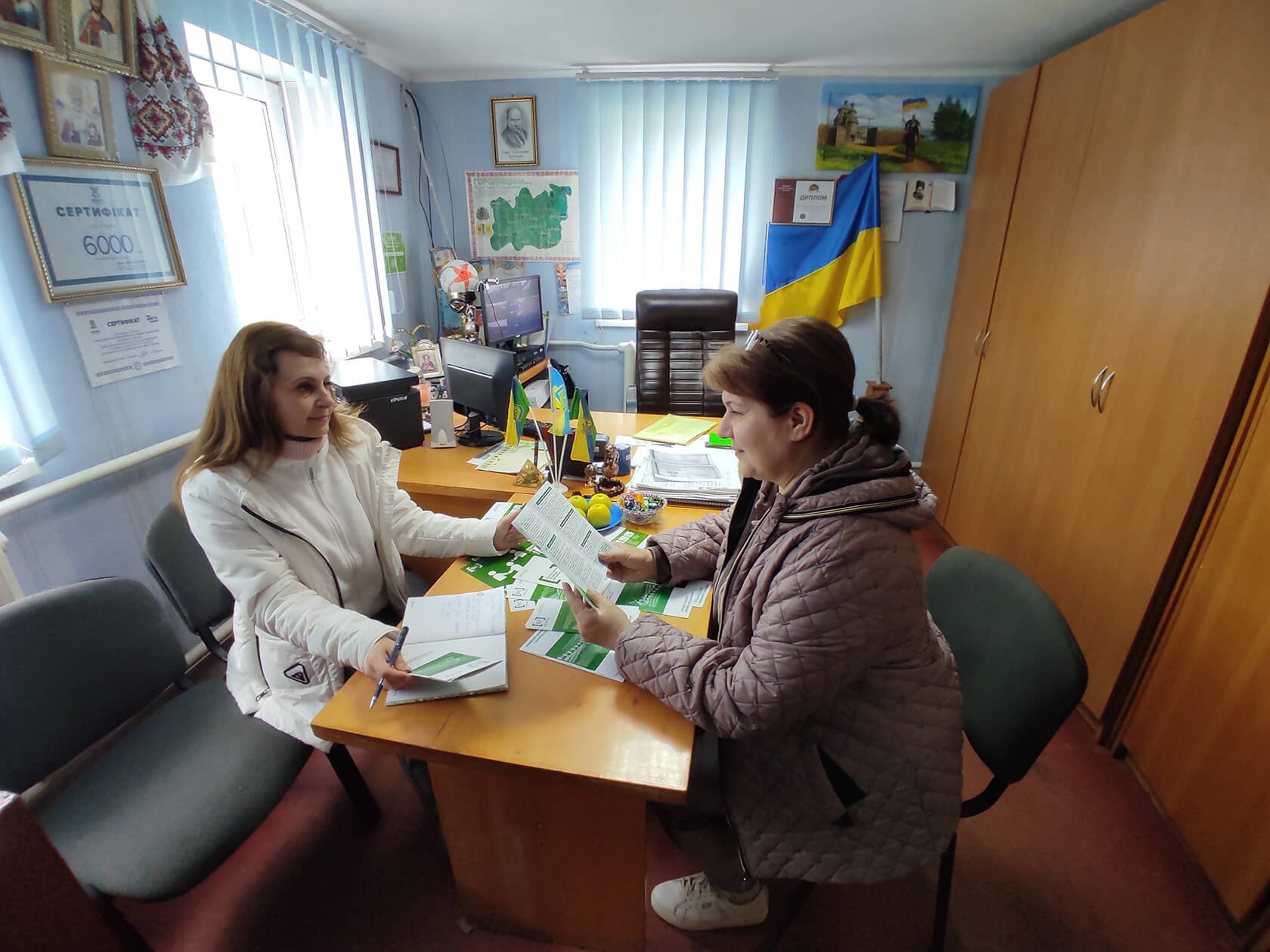
In Ukraine, Mott’s support for people-centered justice has included funding for the Legal Development Network, a union of 22 Ukrainian nongovernmental organizations operating 30 community legal centers across the country. Since it was founded in 2009, LDN has helped tens of thousands of Ukrainians to access legal information and resolve disputes, especially in rural and underserved areas. After Russia’s invasion of Ukraine in 2022, LDN and partner organizations like Right to Protection and Gorenie have moved quickly to include emergency legal aid and humanitarian support to civilians displaced from newly occupied territories. These nonprofits continue to operate under extreme conditions, offering legal help amid ongoing, indiscriminate attacks, curfews and martial law.

Through this grassroots work in Ukraine and Africa, Mott has learned how life-changing it can be for people to have access to effective remedies for their legal problems. Unfortunately, local justice services are sorely underfunded worldwide. That was the key finding of a survey by the Grassroots Justice Network in 2018. A year later, the groundbreaking Justice for All report revealed that over 5.1 billion people — two-thirds of the world’s population — lack meaningful access to justice. The report exposed a global justice gap at unheard of levels. The findings persuaded Mott to help create the Legal Empowerment Fund, a joint initiative of donors and grassroots justice practitioners, to resource community justice groups around the world. Funding and helping to launch LEF in 2021 was a defining milestone in Mott’s commitment to funding grassroots justice work at scale.

LEF was born out of the recognition that traditional legal systems often fall short in addressing the real needs of communities. Hosted by the Fund for Global Human Rights, LEF got off the ground with a $10 million commitment from Mott, $5 million from the William and Flora Hewlett Foundation and $5 million from Namati. LEF aims to raise $100 million over 10 years to support grassroots justice defenders with flexible, practitioner-reviewed grants. So far, a number of partners have already stepped up to support LEF since it was founded. The Irene M. Staehelin Foundation has committed €2 million, the Dutch Postcode Lottery €1 million, the Clooney Foundation for Justice $1 million and Porticus nearly a quarter of a million dollars.
Grassroots justice organizations help residents in Nairobi to understand and claim their legal rights.
To help close the global justice gap, Mott’s grants continue to promote evidence-based justice reform and bolster grassroots legal services. Some countries have adopted substantial national policy changes that reflect the positive impact of grassroots justice actions at the community level.
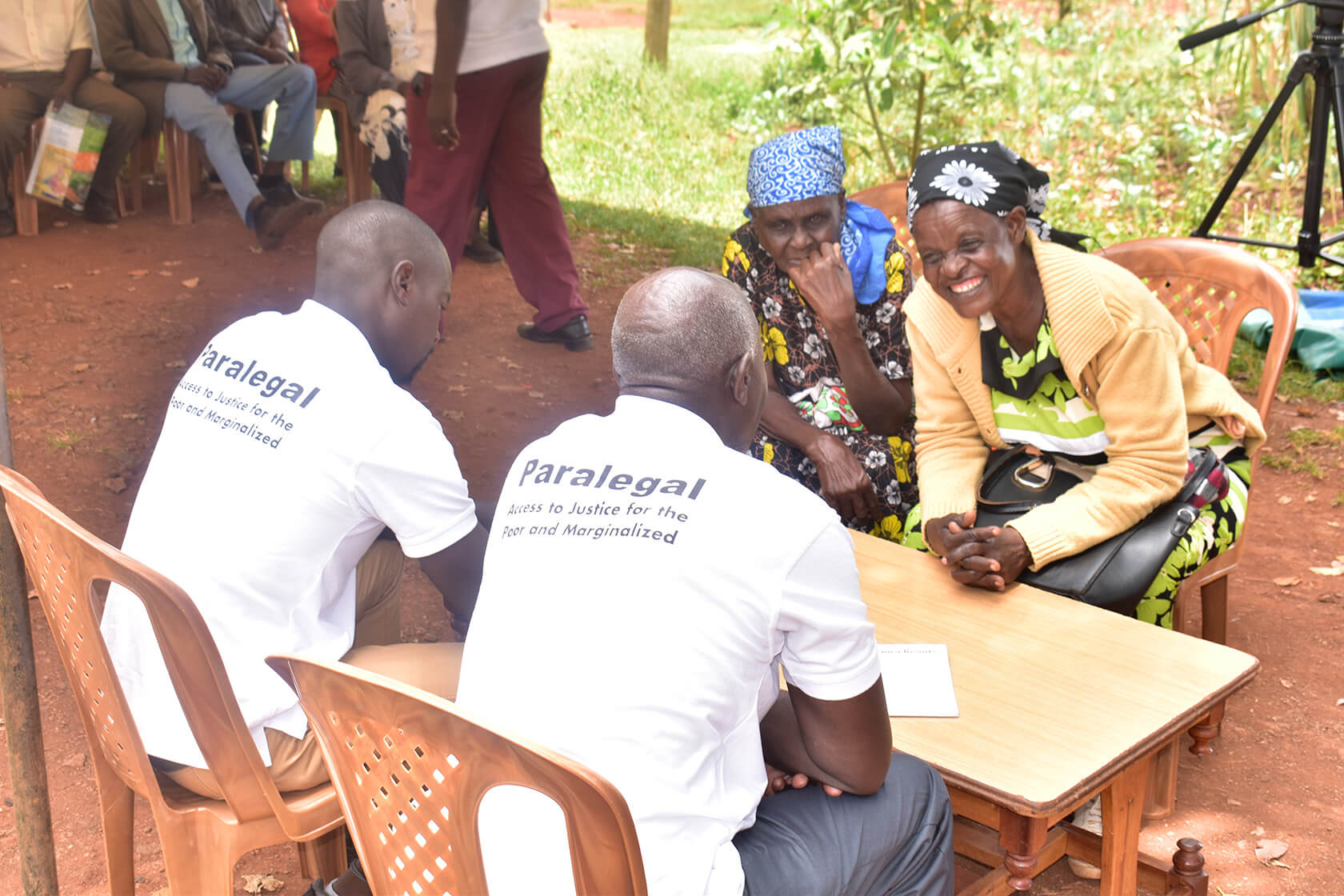
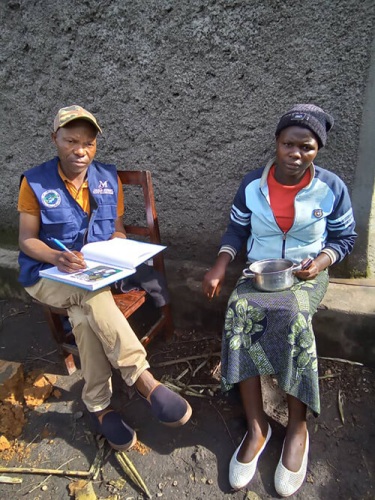
In South Africa, the government is piloting financial support to CAOs, while in Kenya, the office of the chief justice is implementing a people-centered justice policy with external donor support. Policy reforms on cost-effective legal aid are underway in Sierra Leone and Rwanda. In these countries, Mott grantees have made significant progress in advancing alternative dispute resolution as an accepted justice practice outside of the court system. In Malawi, grantees such as the Paralegal Advisory Service Institute and the Centre for Human Rights Education Advice and Assistance have helped to bring about substantial reductions in cases and in the length of pretrial detention. These reforms provide important evidence to support a global policy agenda for people-centered justice.
From Mott’s earliest days of supporting access to justice through 2025, the Foundation has granted nearly $79 million to support justice initiatives around the world. Between 2019 and 2025 alone, Mott’s grantmaking has enabled 3 million people to receive justice services in targeted countries in Africa and in Ukraine. Nearly 20,000 paralegals in Africa were trained, and more than 1,200 community justice organizations have benefited from organizational development support.
We cannot have a just, equitable and sustainable society without people having meaningful access to justice. They go hand in hand.”Ridgway White, Mott Foundation president and CEO
In Mexico City, community-based justice organizations are empowering people with the knowledge and tools to access justice.