2010s
2010
Center for Community Progress
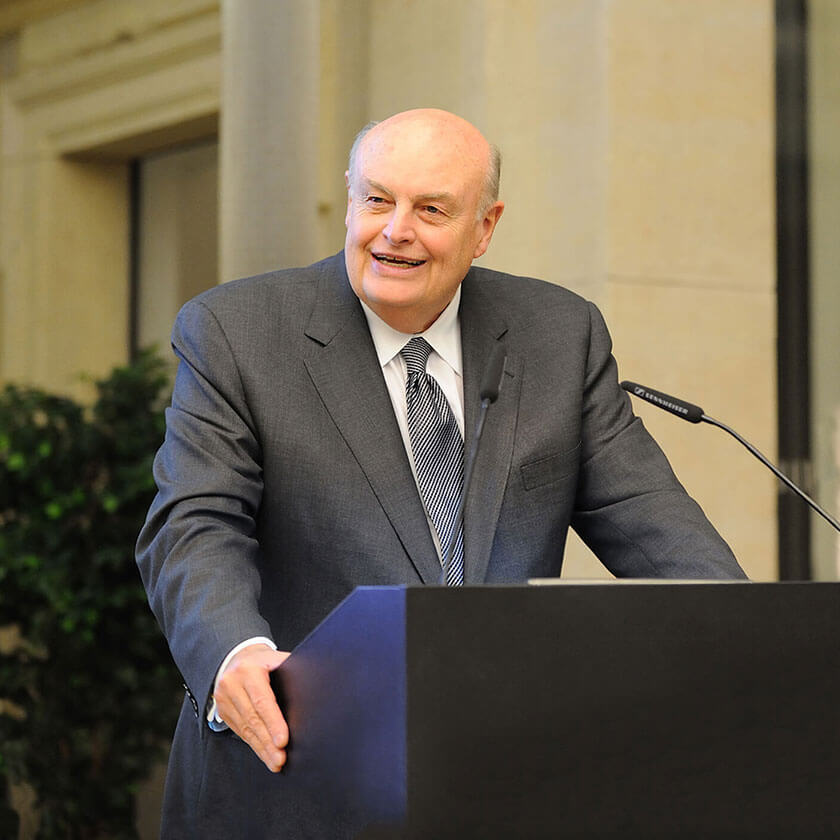
Launched in 2010 with the support of the Mott and Ford foundations, the Center for Community Progress soon emerged as an energizing and guiding force in the movement to rethink and revitalize the country’s vacant properties. Building on the work of leading advocates, including the Genesee Institute, an affiliate of the Genesee County Land Bank, the Center helps communities explore policy and system changes that can bring neglected land back to productive use. It also connects municipalities and provides them with opportunities to learn from one another’s challenges and successes. Mott granted more than $10 million through 2022 to support the Center’s work.
2014
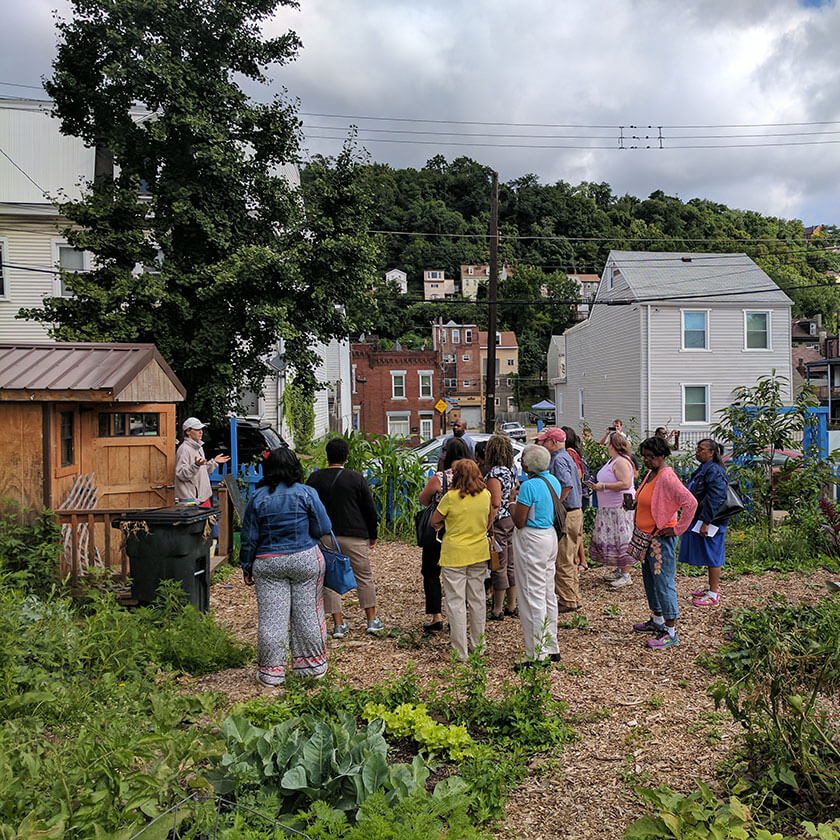
Community foundation centennial
As part of the celebration marking the 100th anniversary of the first community foundation in the United States, Mott made a series of grants to help elevate the field, including $1.5 million to Indiana University to establish the C.S. Mott Foundation Chair on Community Foundations. In 2017, Dr. Laurie Paarlberg was appointed as the first permanent holder of the chair.
Learn more about Mott’s history with Community Philanthropy.

2014
Community schools for the 21st century
As part of a master planning process that began in 2012, Flint residents called for a new model of community schools, reimagined for the 21st century, as a top priority. When Flint Community Schools approached the Mott Foundation for help with the endeavor, we seized the opportunity to return to working on one of the Foundation’s first and longest-standing priorities. We provided support to the Crim Fitness Foundation in 2014 to serve as the lead partner in launching a pilot program at the Brownell-Holmes STEM Academy. With leadership from Crim and help from more than 30 other community partners, the model was expanded to five schools in the 2015-2016 school year and to every school in the FCS district by the 2016-2017 school year. Between 2014 and 2022, Mott provided more than $54 million in funding for the model, which is helping FCS support healthier families, stronger neighborhoods and high-achieving students.

2014
Flint Health and Wellness District
Flint’s Health and Wellness District has transformed the way the community uses and experiences the city center. At the heart of the district is the Flint Farmers’ Market, which was named one of the country’s top six great public spaces in 2015 by the American Planning Association. Located on the top floor of the market, the Hurley Children’s Center — Sumathi Mukkamala Children’s Center provides state-of-the-art pediatric care to 16,000 patients annually. Just steps away is the Michigan State University’s College of Human Medicine medical school and public health program in Flint. The district also features facilities serving the health care needs of families and seniors, as well as a small public plaza and green space. Through 2022, Mott made $67.1 million in grants related to the district, including $36.8 million for the expansion and endowment of MSU’s medical school and public health program in Flint.

2014
Detroit’s Grand Bargain
Philanthropy played a catalytic role in the chain of agreements known as the Grand Bargain, which helped Detroit emerge from bankruptcy in just 16 months. With a grant of $10 million, Mott joined other philanthropies, the state of Michigan, the city of Detroit, its pensioners and the Detroit Institute of Arts in a unique collaboration conceived by U.S. District Judge Gerald Rosen to help avoid years of prolonged litigation. The Grand Bargain supported Detroit and its citizens in efforts to revitalize the city, prevented the DIA’s priceless art collection from being sold and helped Detroit honor its commitments to retirees.

2014
New ventures in environmental grantmaking
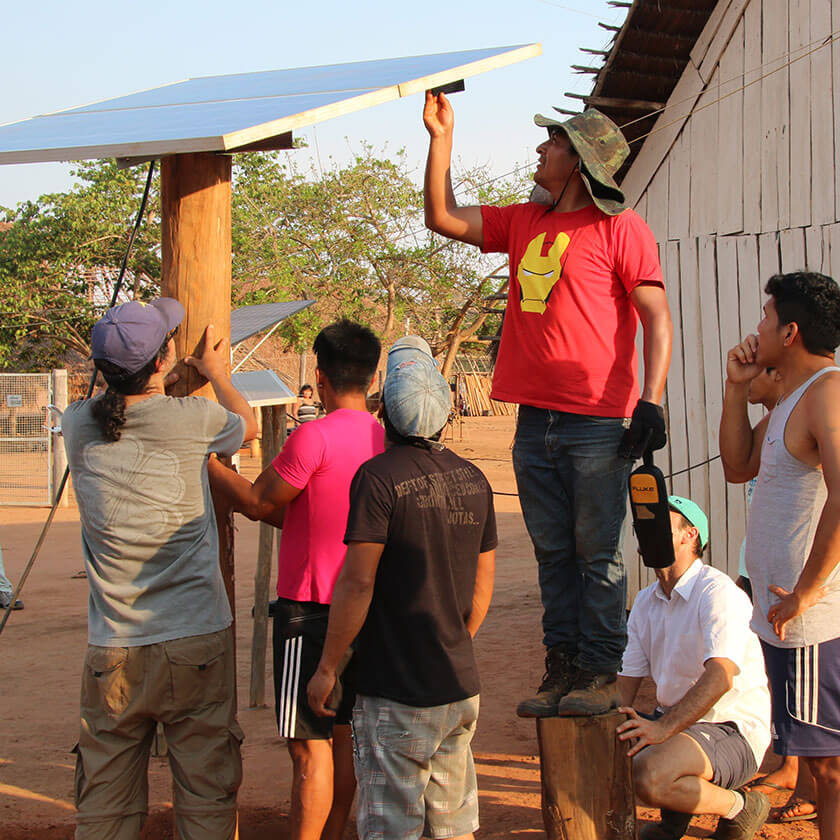
As part of a new grantmaking plan, Mott began funding climate change solutions — primarily solar power systems — in Michigan, Tanzania and isolated villages in Brazil’s Amazon rainforest. The Foundation also provided a $4 million grant to launch Blue Accounting, a program to help Great Lakes leaders set goals, work collaboratively and track progress in restoring, protecting and maintaining the world’s largest freshwater system.
2015
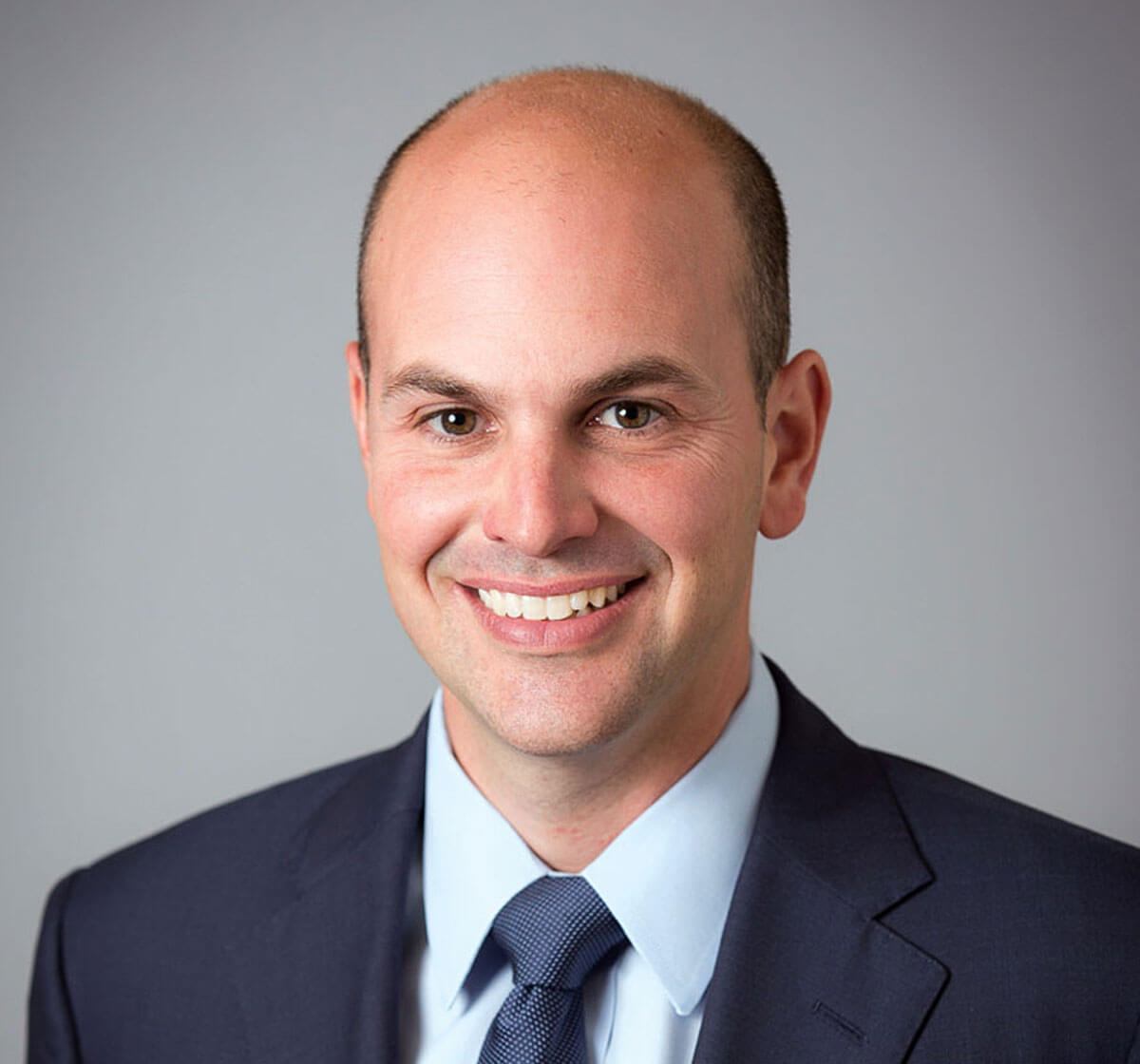
Ridgway White becomes Foundation president
Ridgway White became president of the Mott Foundation on January 1, 2015. He was elected to the Foundation’s board of trustees the following year, appointed CEO in 2018 and named board chair in 2019.
The great-grandson of C.S. Mott, White first began working at the Foundation as an intern in 2002. He was hired as a program assistant for the Flint Area team in 2004 and worked his way up through the program ranks. He was named vice president for special projects and chair of the Foundation’s management working group in 2011.
As part of his earlier program work for the Foundation, White also served as a loaned executive for the Uptown Reinvestment Corporation, a nonprofit organization focused on revitalizing Flint. Over the course of a decade, he oversaw the development of more than 1 million square feet of mixed-use space, paving the way for new businesses and restaurants to open. Notable projects included the creation of the Flint Health and Wellness District, a four-block area that’s home to the Flint Farmers’ Market and the Flint campus of the Michigan State University College of Human Medicine. Within the first year of his presidency, White would be called upon to lead the Foundation’s response to the Flint water crisis.
2015
Flint water crisis
Mott’s hometown became the focus of international attention in 2015 with the discovery of high levels of lead in Flint’s drinking water and, as a result, in the blood of many local children. The failure of government officials to properly test, treat and protect the city’s water supply prompted national debates about the safety of the country’s aging infrastructure. It also sparked swift action by newly appointed Foundation President Ridgway White and our board of trustees to help bring clean drinking water back to our home community. Immediate support included $4 million to help reconnect Flint to the Detroit water system and $100,000 for the distribution of free water filters to local families.
Learn more about Mott’s history with the Flint Water Crisis.

2016
One Water
It wasn’t just Mott’s hometown grantmaking that changed because of the Flint water crisis. We also committed more than $4 million that year to promote a new approach to managing all water resources in the Great Lakes region, known as One Water. That approach manages all water — whether it comes from a tap, lake, stream, underground aquifer, storm or sewer — in a collaborative, integrated and holistic manner. It could help communities use water more efficiently, improve water quality at the tap and in nearby surface waters, reduce operating costs and prevent floods. The One Water approach is now the framework for all the Foundation’s freshwater grantmaking.

2016
$3 billion in total grantmaking
As it marked nine decades of helping to strengthen communities at home and around the world, the Mott Foundation surpassed $3 billion in total grantmaking since its launch on June 19, 1926. Adjusted for inflation, the figure would have been $5.6 billion in 2016 dollars.

2016
Early childhood education
Flint’s water crisis and the potential impact of lead exposure on learning highlighted the need for a strong educational continuum that begins at the cradle and extends to college and career. To that end, the Mott Foundation began convening partners at the local, state and national levels to help expand access to year-round, high-quality educational opportunities for Flint’s youngest residents. The result? Cummings Great Expectations: An Early Childhood Center opened its doors in October 2016, followed by Educare Flint in November 2017. Together, these schools provide early learning and wrap-around services for approximately 400 children from birth to age 5, as well as supportive services for their families. Both are part of the Flint Early Childhood Collaborative, which seeks to expand local access to quality early care, while helping to inform public policies on early childhood education and provide other communities with a potential model for early learning.
Learn more about Mott’s history with the Early Childhood Education.

2016
Mott Foundation pledges $100 million for Flint
On May 11, 2016, we announced our commitment of up to $100 million over five years to help Flint recover and rise from the water crisis. While we fulfilled that commitment ahead of schedule in June 2020, we continued to make related grants throughout the five-year period. Through May 11, 2021, we awarded a total of $116.7 million in grants. This grantmaking aimed to provide access to safe drinking water, help families meet their health needs, increase educational opportunity, strengthen the public and nonprofit sectors, promote community engagement and revitalize the local economy.
2017
The Capitol Theatre
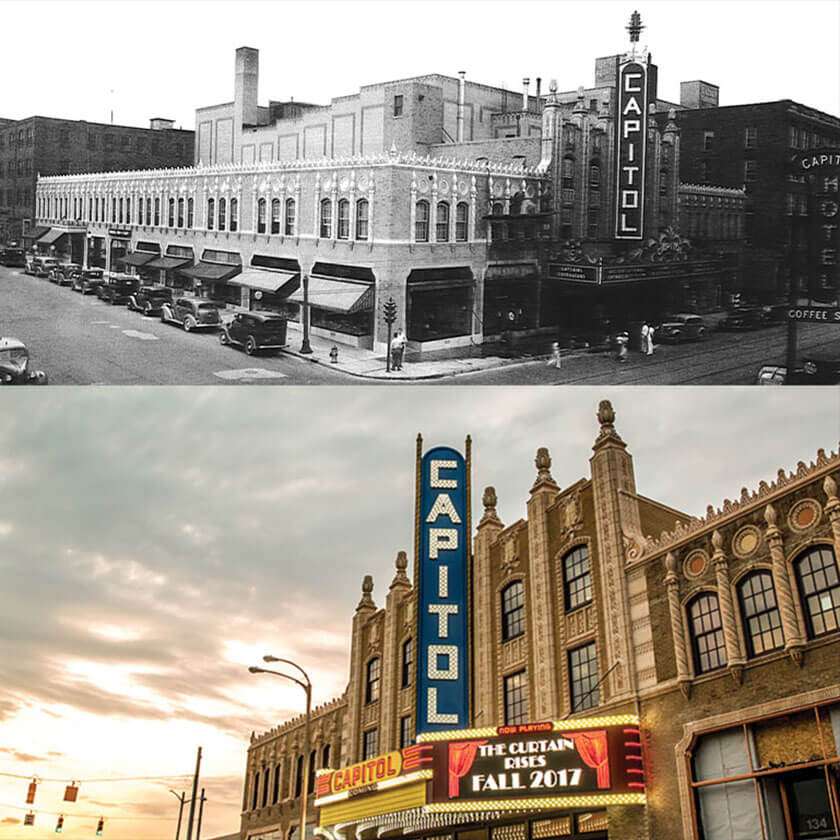
The Capitol Theatre is beloved by generations of Flint-area residents. The “atmospheric” movie palace, designed by John Eberson and built in 1928, underwent a $37 million restoration that was funded, in part, by Mott. This community jewel reopened in December 2017 and will play a major role in the city’s downtown revitalization.
2017
$1 billion in Flint Area funding
With a grant to support one of Mott’s earliest and longest-standing interests — community education — the Foundation surpassed $1 billion in total support related to the greater Flint area since the organization was established in 1926. Adjusted for inflation, the figure would have been $2.4 billion in 2017 dollars.

2017
Environment program evolves
In an effort to focus on issues and areas where the Mott Foundation can have the greatest impact, we made some shifts in our Environment program. The Flint water crisis prompted our decision to provide more funding to groups working on drinking water quality and water affordability issues in the Great Lakes region. We also increased funding to promote renewable energy in Tanzania. Our grants in that country support solar power systems and mini-grids that provide electricity for homes and small businesses. This approach complements our work to provide isolated villages in Brazil’s Amazon rainforest with solar power systems.

2017
World Bank shifts energy finance policy
After nearly two decades of advocacy by Mott grantees and others, the World Bank
Group announced that, with limited exceptions for work in low-income countries, it would no longer finance new ventures in oil and natural gas exploration and extraction after 2019. It also pledged to reallocate the more than $1 billion it invested annually in fossil fuel projects — which contribute to global climate change — to renewable energy projects, including solar and wind power.
As one of the world’s largest development finance institutions, the World Bank’s pivot, if implemented as promised, could mark a tectonic shift in global energy finance. Mott grantees continue to monitor the bank’s economic, social and environmental policies, and the potential impacts of its energy projects in developing countries.
Learn more about Mott’s history with International Finance.

2018
New Civil Society program plan approved
In March 2018, Mott’s board of trustees approved a new Civil Society program plan that will guide grantmaking through 2028. After 25 years of working on civil society development in specific regions of the world, the program shifted focus toward thematic grantmaking. The new program areas — Strengthening Civic Space, Enhancing Community Philanthropy and Increasing Access to Justice — offer opportunities to respond to changing dynamics in global civil society and to broaden the reach and impact of our work.

2018
Flint Cultural Center Academy
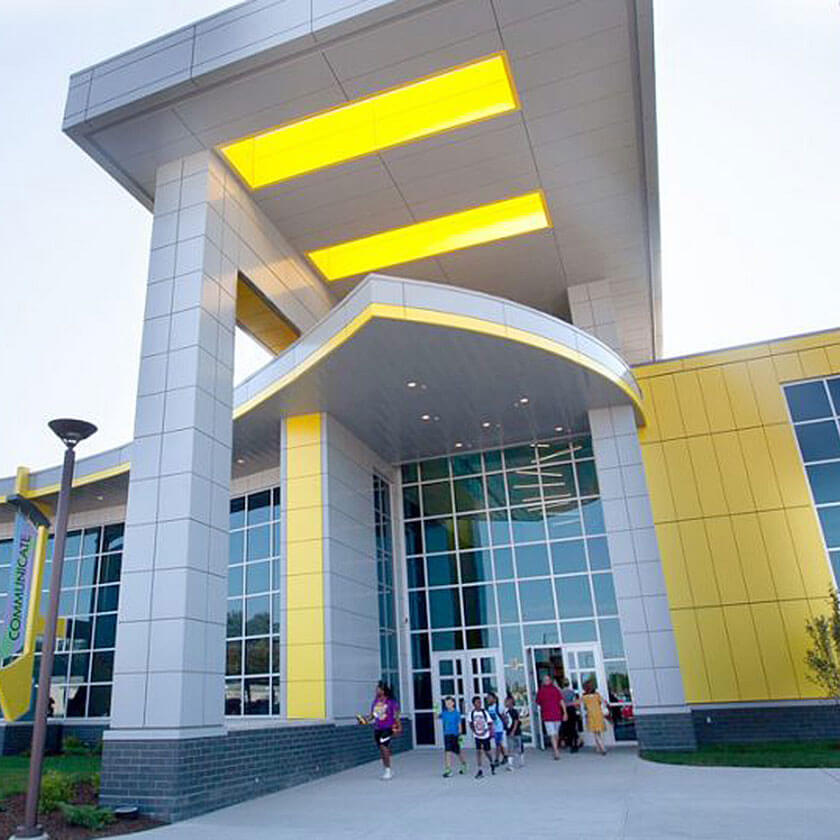
In 2018, Mott committed up to $35 million to cover the costs of designing, constructing and launching a public, nonprofit charter school on the campus of the Flint Cultural Center. Opened in time for the 2019/2020 academic year, the Flint Cultural Center Academy offers students a unique educational experience that features daily activities and programs at the Cultural Center institutions.
Learn more about Mott’s history with the Flint Cultural Center.
2018
Flint River Restoration Project
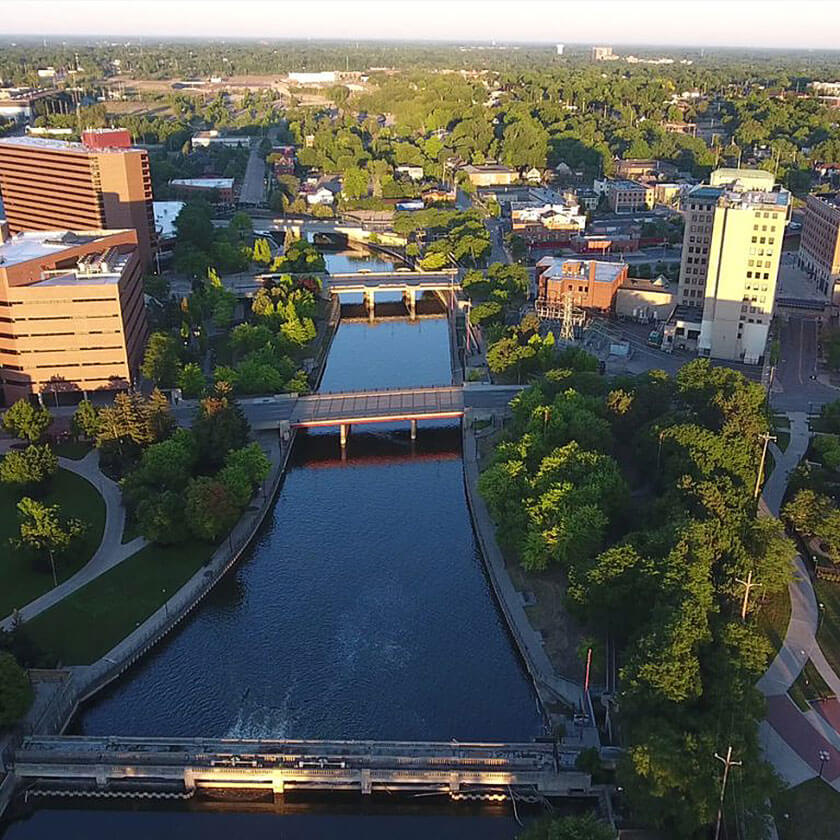
Partial demolition of the dangerous and obsolete Hamilton Dam marked an important milestone in an ambitious project that will transform a two-mile stretch of the Flint River into a more natural, accessible waterway. The $38 million Flint River Restoration Project is funded, in part, by Mott and led by the Genesee County Parks & Recreation Commission. The project, which will also include the demolition of Fabri Dam, will help to connect nearby Kettering University to downtown and create new public spaces and recreational opportunities that will draw residents and visitors to the heart of the city, thereby contributing to Flint’s economic revitalization.
2018
Freshwater grantmaking in southeast United States
After two decades and $35 million in grants, the Foundation concluded its financial support for more than 20 groups working to restore rivers, enhance water conservation and improve water policies in the Carolinas, Georgia, Alabama, Tennessee and Louisiana. The funding helped to grow and strengthen the region’s environmental community, which led to better water management policies and changes at hydropower dams that will have lasting benefits for rivers.
2019
William S. White passes away
One of the longest-serving leaders of a major philanthropy in the United States, William S. White passed away on October 9, 2019. For nearly five decades, he helped to steer the Mott Foundation and its grantmaking, both internationally and domestically.
White began working for the Foundation as a consultant in 1969. In that role, he helped to reorganize and modernize the Foundation’s administrative, financial and grantmaking procedures. Based on the success of those efforts, he was named vice president and secretary of the Foundation in 1971 and elected to its board of trustees. In subsequent years, he would be elected to the positions of president, chief administrative officer, CEO and the role he served until his last day: chairman of Mott’s board of trustees.
Throughout his tenure, he embraced — and embodied — Charles Stewart Mott’s belief that good things happen when people work in partnership with communities.