
Inside Mott’s new Civil Society program plan:
A Q&A with Shannon Lawder
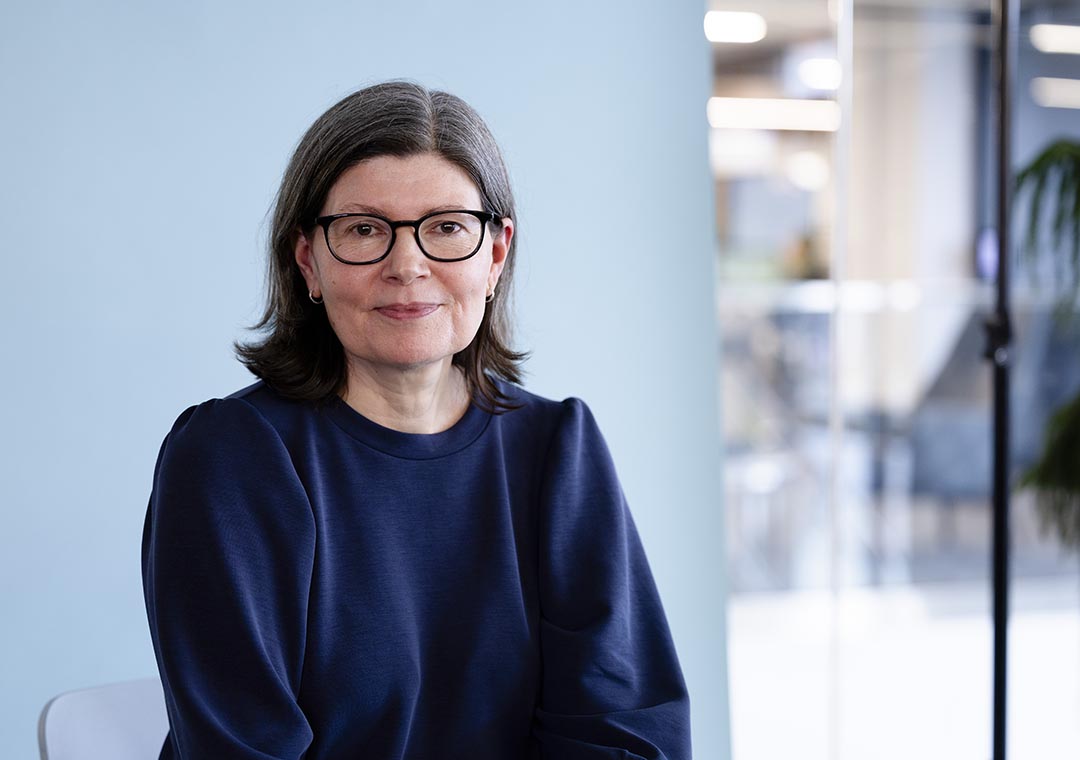
At the outset of our 100th anniversary year, the Charles Stewart Mott Foundation announced changes to our grantmaking as we look ahead to our second century of work. In the following Q&A, Shannon Lawder, director of Mott’s Civil Society program, discusses the latest updates to the team’s grantmaking strategy.
Mott: Tell me about the new Civil Society program plan.
Lawder: The new Civil Society program has three initiatives — Common Ground, Access to Justice and Protection of the Sector. These three initiatives have deep roots in the Foundation’s 34 years of Civil Society grantmaking. Over more than three decades, we’ve learned, time and again, that independent and diverse civil society organizations are crucial to the health of thriving communities.
The first of three program initiatives, Common Ground, fosters a vibrant civil society by equipping community foundations with the tools and resources they need to bridge divides and solve local issues in their communities. The Mott Foundation has worked with community foundations for decades, both in the United States and globally. This work has shown how community foundations — grounded in place and rooted in their communities — are uniquely positioned to partner with others to address polarization and inequity from the ground up.
The second initiative is Access to Justice, which is about helping people understand, use and shape the law to protect their rights and improve their lives. Mott believes that access to justice is a fundamental right. And yet, over 5 billion people globally lack meaningful access to justice — roughly two-thirds of the world’s population. So, our work is about trying to address this justice gap.
The third initiative is Protection of the Sector, which is about strengthening the nonprofit and philanthropic ecosystem, as well as supporting the individuals and organizations that defend civil society. This work is what enables nonprofits, foundations and community-based organizations to operate freely and effectively. Without it, the people and associations that make up civil society struggle to advance shared interests and hold people in power accountable. Supporting nonprofits is vital at a time when civil society is facing attacks, including new laws that restrict nonprofit operations, negative narratives that undermine trust in institutions and the use of technology to target civil society.
Mott: How has Mott’s Civil Society’s grantmaking changed — and how has it stayed the same — at the start of the Foundation’s second century?
Lawder: Throughout its history, our Civil Society program has focused on the important role of the nonprofit sector and philanthropy in building communities that are strong, resilient and equipped to face challenges. This focus remains at the heart of the new plan.
The program mission also stays the same — to foster engaged, empowered and equitable communities across the world. Our continued focus on communities is a defining aspect of our work.
In terms of changes, we have a new initiative that works on proactively building common ground in partnership with community foundations in the United States. We also have an increased emphasis on protecting the nonprofit and philanthropic sector, and the individuals and organizations that defend civil society, in recognition of the unprecedented challenges the sector is facing today.
Within our Access to Justice initiative, we are putting more emphasis on making sure what works at the grassroots level is documented and used to shape policy — especially policies about how governments sustainably finance people-centered justice.
Essentially, we have the same north star but with a sharper focus on today’s challenges and opportunities.
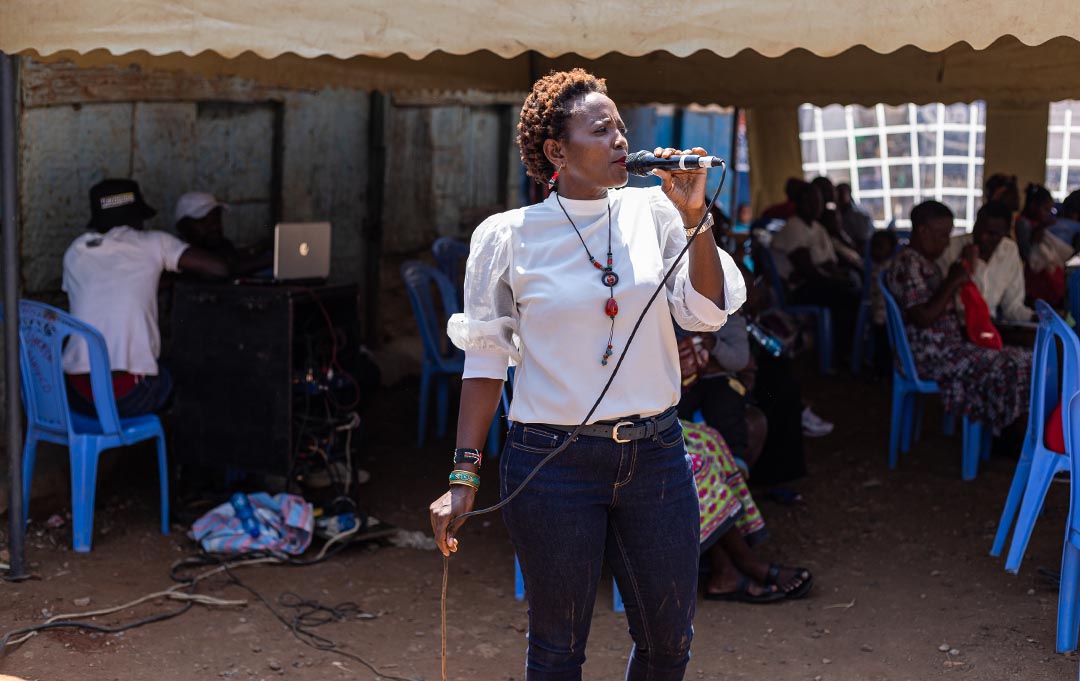
Mott: You mentioned the new Common Ground work in the United States. Why this focus now? And what will Common Ground grantmaking look like?
Lawder: The Common Ground initiative will help community foundations bring people together across differences to work on shared community challenges. It will address the growing divisions and deep polarization we see in communities across the United States.
The initiative is based on the idea that building common ground starts at the local level — where people live, work and interact every day. For us, building common ground means intentionally bringing people together with different views and backgrounds to collaborate on projects or activities that benefit the whole community. We will support community foundations in strengthening these kinds of collaborations, so partnering across social and cultural differences becomes second nature to the way people come together.
Our grantmaking will support intermediary organizations that provide funding, learning opportunities and peer networks for community foundations. We also will invest in the development and dissemination of tools and measurement frameworks that community foundations can use to implement bridge-building work. Mott believes this approach can help community foundations build stronger, more connected communities.
Mott: Looking back over more than three decades of the Civil Society program, what are some lessons learned that shaped this new strategy?
Lawder: One key lesson is the importance of local-level work. The local level is where people form relationships with one another and with their communities. It’s where people find meaning and belonging. So, you can’t just focus on national, regional or global work. You need to be connected to local people, local institutions and local leaders. That connection is essential.
Another lesson is how important it is to have a long-term perspective, funding patiently and allowing organizations the flexibility to use grant dollars as they see fit for their organizational needs. We believe long-term funding provides grantees stability, letting them focus on their important work and pursue innovation. This approach allows organizations to have the flexibility to respond when conditions change.
Connected to steady, enduring support is the importance of investing in infrastructure and networks. You never know when a crisis will hit, but when it does, strong, trusted institutions and relationships need to be in place to meet the moment. We saw this during the COVID-19 pandemic. In the United Kingdom, for example, a strong network of community foundations was ready to jump into action and distribute relief funding to local communities almost from day one of the outbreak.
This lesson is also reflected in Mott’s experience in Ukraine. I began working with the Mott Foundation in 1995 as the first program officer focused on Russia and Ukraine. It was just a few years after the collapse of the Soviet Union, when a free and open civil society was still taking shape. We spent decades supporting local organizations in Ukraine as they grew and matured. Fast forward to 2022, when Russia launched its full-scale invasion in Ukraine, and some of those same organizations we’d supported since the 1990s were ready and able to respond immediately to support their communities. That experience underscores the importance of long-term, patient funding.
Mott: What makes you most excited about the next phase of the team’s work?
Lawder: I’m excited about the opportunity to deepen our work in long-term areas of engagement for the Foundation. We’re not starting from scratch. We’re building on decades of relationships and experience.
The new strategic plan also has a 10-year horizon, which allows us to think about what can be achieved over a full decade — not just in the next two or three years. It gives us the space to test and refine our approaches and support partners patiently. The combination of building on what’s come before and looking toward the future gives us a strong foundation — one that allows us to be thoughtful about what’s working, what needs to change and what are areas in which we can have the greatest impact going forward.