
The long view: What 26 years of grantmaking taught Nick Deychakiwsky
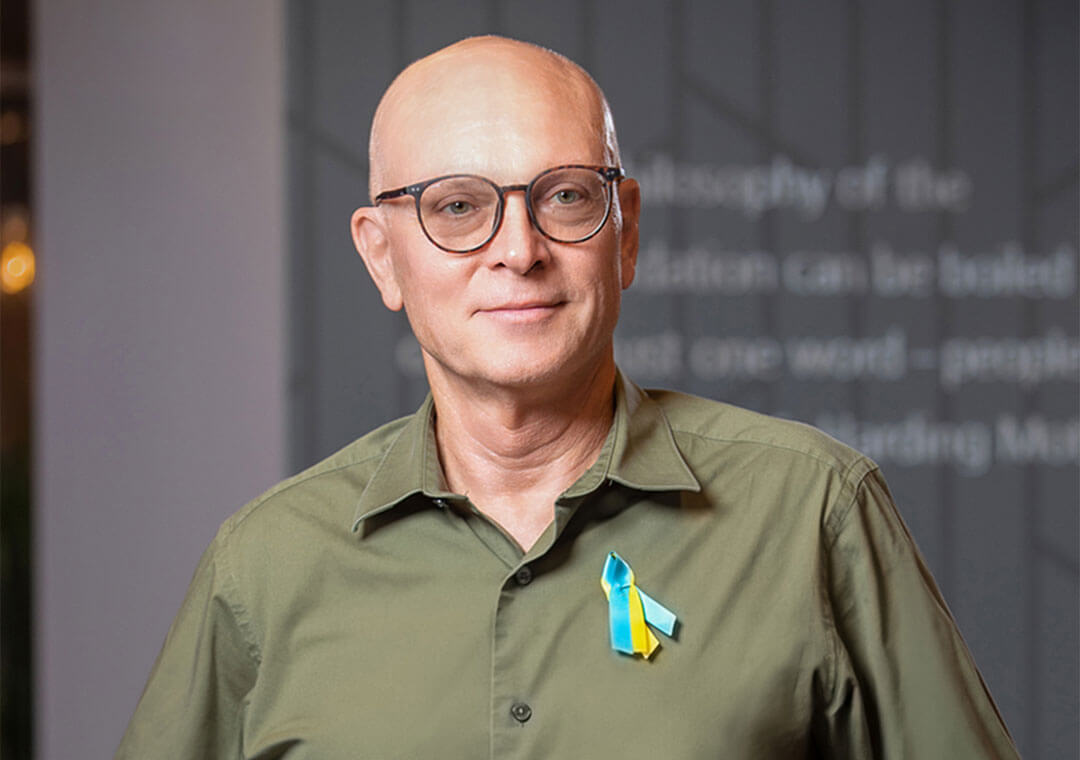
Senior Program Officer Nick Deychakiwsky recently retired after 26 years with the Civil Society program of the Charles Stewart Mott Foundation. Before departing, Deychakiwsky shared reflections from more than a quarter-century of grantmaking dedicated to enhancing community philanthropy and protecting and strengthening civil society.
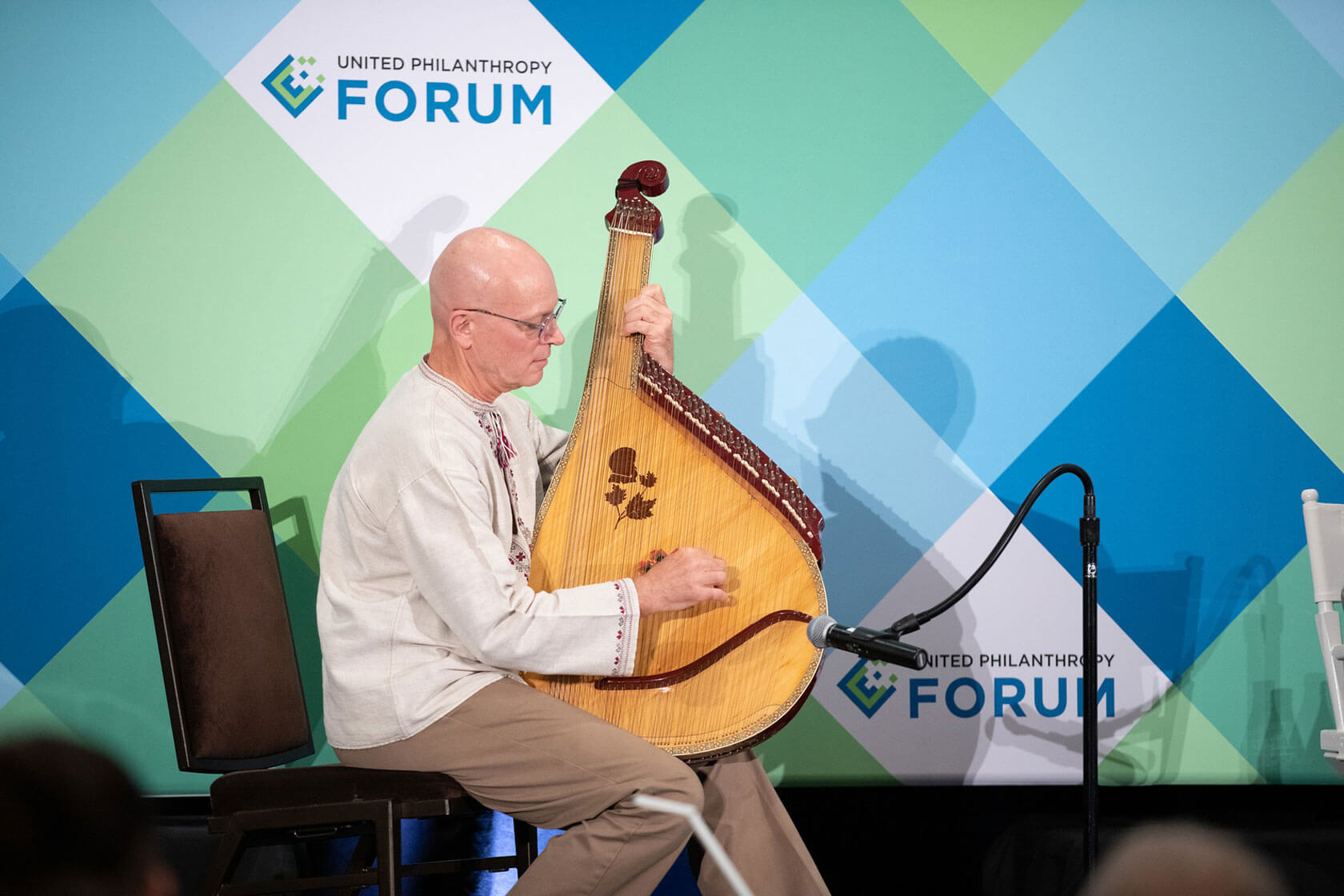
Mott: Looking back, what initially drew you to the Mott Foundation? And what kept you here?
Deychakiwsky: What initially drew me to the Mott Foundation was its commitment to strengthening democracy and civil society in the former Soviet Union. It’s work that closely aligned with my values and experience.
I first encountered Mott in the 1990s while working in Ukraine for the Eurasia Foundation. One of our programs, co-developed with the Mott Foundation, was supporting a network of NGO resource centers, which provided capacity-building services to nonprofit organizations in Ukraine. The Mott Foundation supported the project, which made me a Mott grantee. I even was invited to speak as a grantee at a Mott trustee meeting in Flint in 1997. Little did I know then that I would be working for the Foundation just a few years later in 2000.
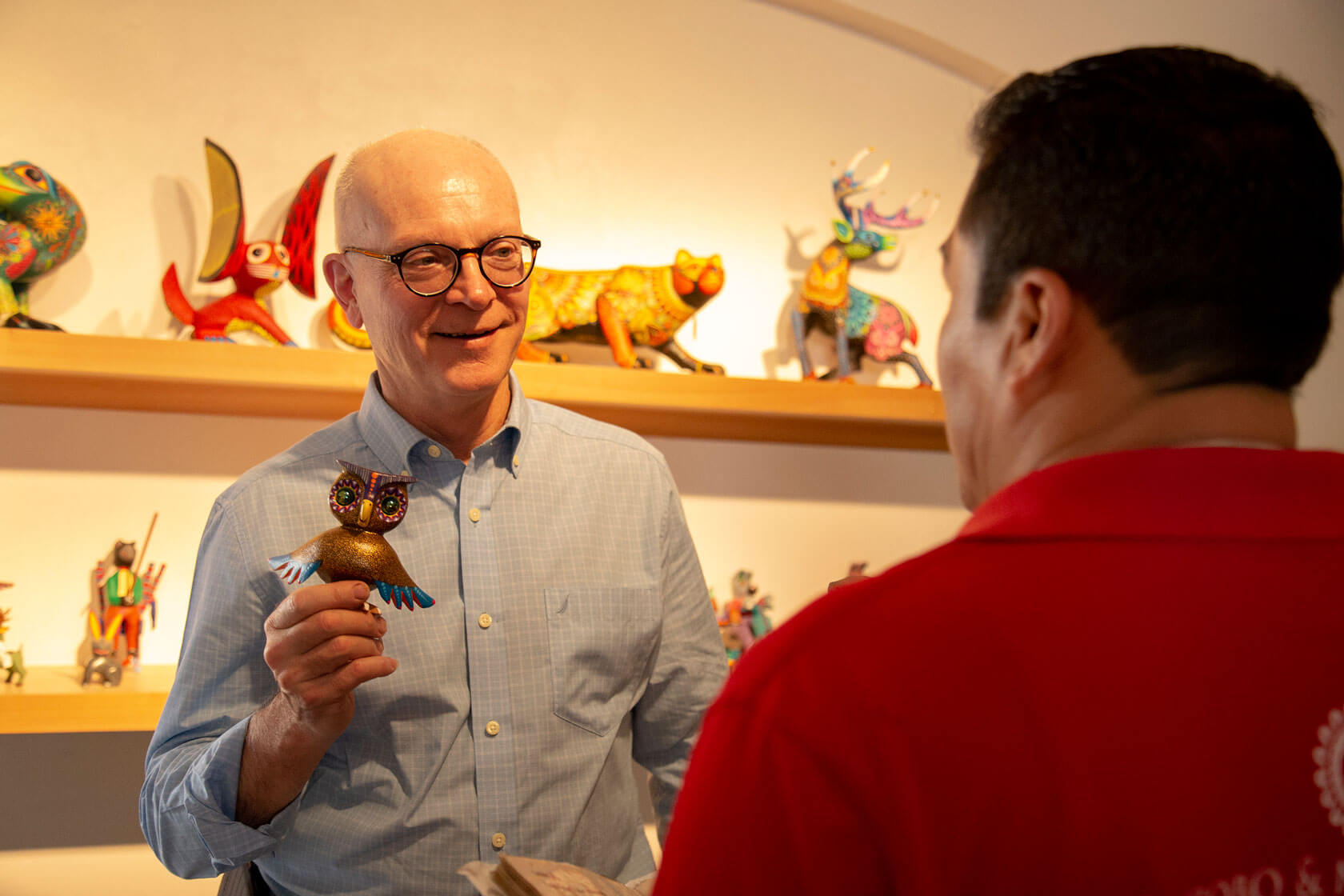
Once I joined Mott, I came to appreciate even more deeply the Foundation’s distinctive approach to civil society. Its commitment to strengthening civic institutions and philanthropy strongly aligned with the work I had dedicated my career to. But what truly set Mott apart was its understanding that meaningful social change requires patience, flexibility and genuine partnership. Rather than imposing rigid expectations, the Foundation worked alongside grantees to co-create solutions and adapt as circumstances changed. This long-term perspective was especially important in the countries where I worked — where democratic development and civil society-building were often complex, unpredictable and measured in decades rather than years.
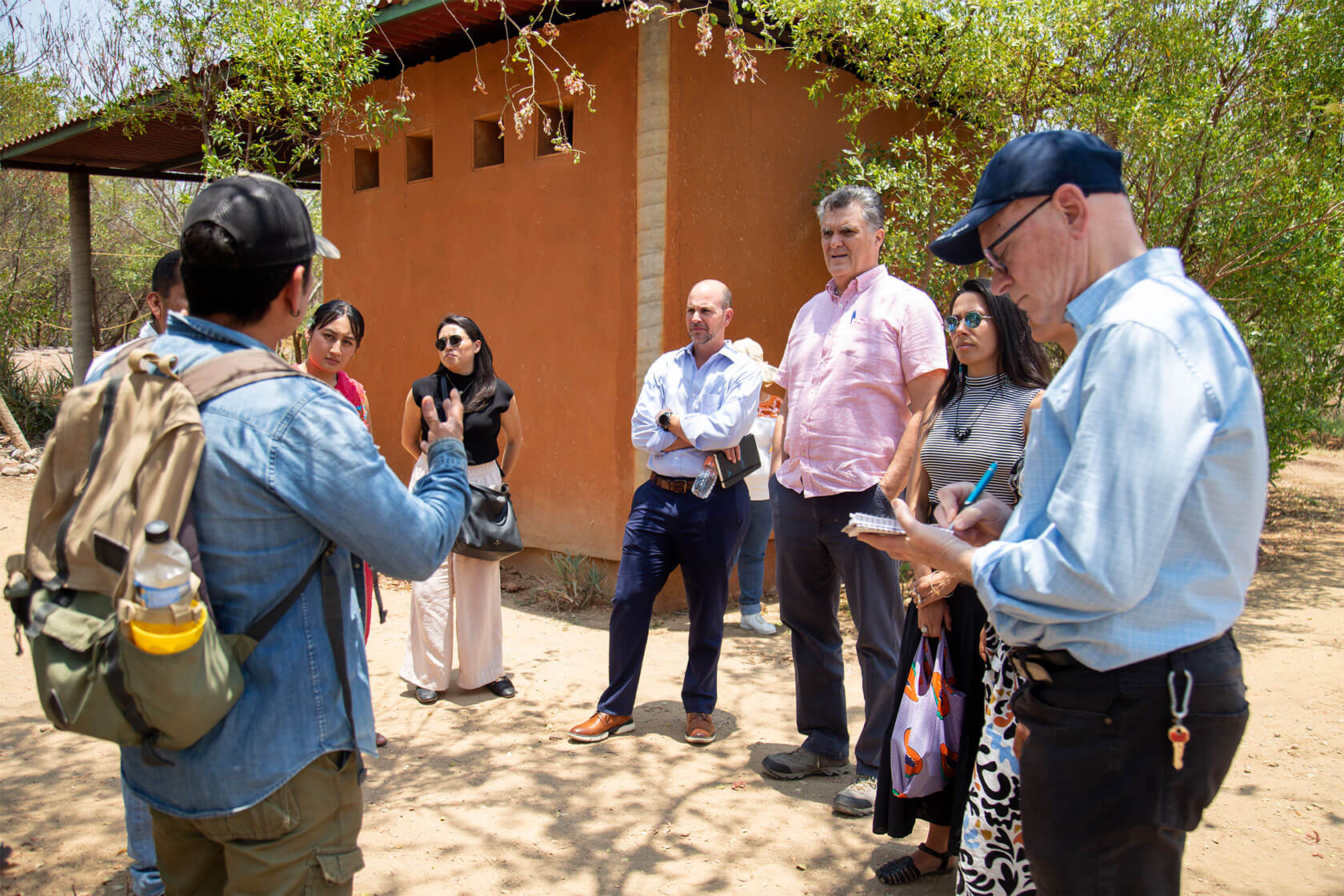
And that is, frankly, what has kept me at Mott. Those same values of patience, trust and flexibility have remained central to the Foundation’s grantmaking. Mott places a great deal of trust in its staff, and from the beginning I was given significant discretion in developing grant recommendations and working with partners. I’ve also always appreciated what we at Mott call “shoe-leather philanthropy” — the belief that the best grantmaking comes from getting out into communities, meeting people and understanding the realities on the ground rather than relying solely on written applications and reports. That combination of trust, curiosity and commitment to long-term impact is what has made Mott such a rewarding place to spend my career.
Mott: Of the grant projects you’ve been involved in, which ones are you most proud of — and why?
Deychakiwsky: Of the 750 grants that I’ve been involved in on five continents over 26 years, so many examples stand out. However, I want to focus on one from Ukraine, because my philanthropic career began there.
Over the years, I have had the opportunity to witness firsthand how strategic philanthropic investments can help local organizations grow into strong, independent institutions. One of the clearest examples is of the Ukrainian organization Ednannia, which emerged from communist-era ISAR (which stood for the Institute for Soviet American Relations). Ednannia initially managed a Mott-funded small grassroots grantmaking program called Path to the Future. In the early 2000s, Ednannia had an annual operating budget of roughly $300,000, providing grants and technical assistance to local organizations. The organization was highly effective, and by 2005, Mott had developed enough confidence in Ednannia to provide unrestricted general operating support.
In the decades that followed, the organization continued to grow, launching a community foundation school and expanding its role in strengthening civil society in Ukraine. Today, Ednannia is Ukraine’s largest locally led regranting organization, working in the areas of civil society development and capacity building. In 2025, it had an annual budget of $13 million. Ednannia has become one of the country’s most important civil society institutions. Its success illustrates the value of investing early in trusted local organizations and giving them the flexibility to grow.
What made Ednannia distinctive from the beginning was that it was genuinely local. At a time when many donors preferred to fund international organizations, Ednannia was led entirely by Ukrainians and governed by a Ukrainian board. Its local leadership helped catalyze environmental initiatives and wide-ranging civic engagement efforts, while demonstrating the effectiveness of locally driven philanthropy.
Ednannia’s local roots remain one of its greatest strengths today. Because it is deeply embedded in Ukrainian communities, Ednannia has had a far better understanding of the needs of civil society during wartime and has been able to respond more effectively to those needs. As a result, it has become a trusted partner and a critical resource for supporting communities across war-torn Ukraine.
Mott: How do you measure success in philanthropic work, especially when outcomes can take years to materialize?
Deychakiwsky: Success in philanthropy is often impossible to measure in the moment. In many cases, you only recognize success years later — or after an organization has weathered a setback and emerged stronger. As Mott’s late president and CEO, Bill White, liked to say, when asked about failure: “What’s your time frame?”
Real change takes time, which is why long-term, patient funding is so important. Organizations need the space to learn, adapt and recover from challenges — and to continue moving forward. Measuring success requires tracking progress over time and understanding the broader trajectory, not just short-term results.
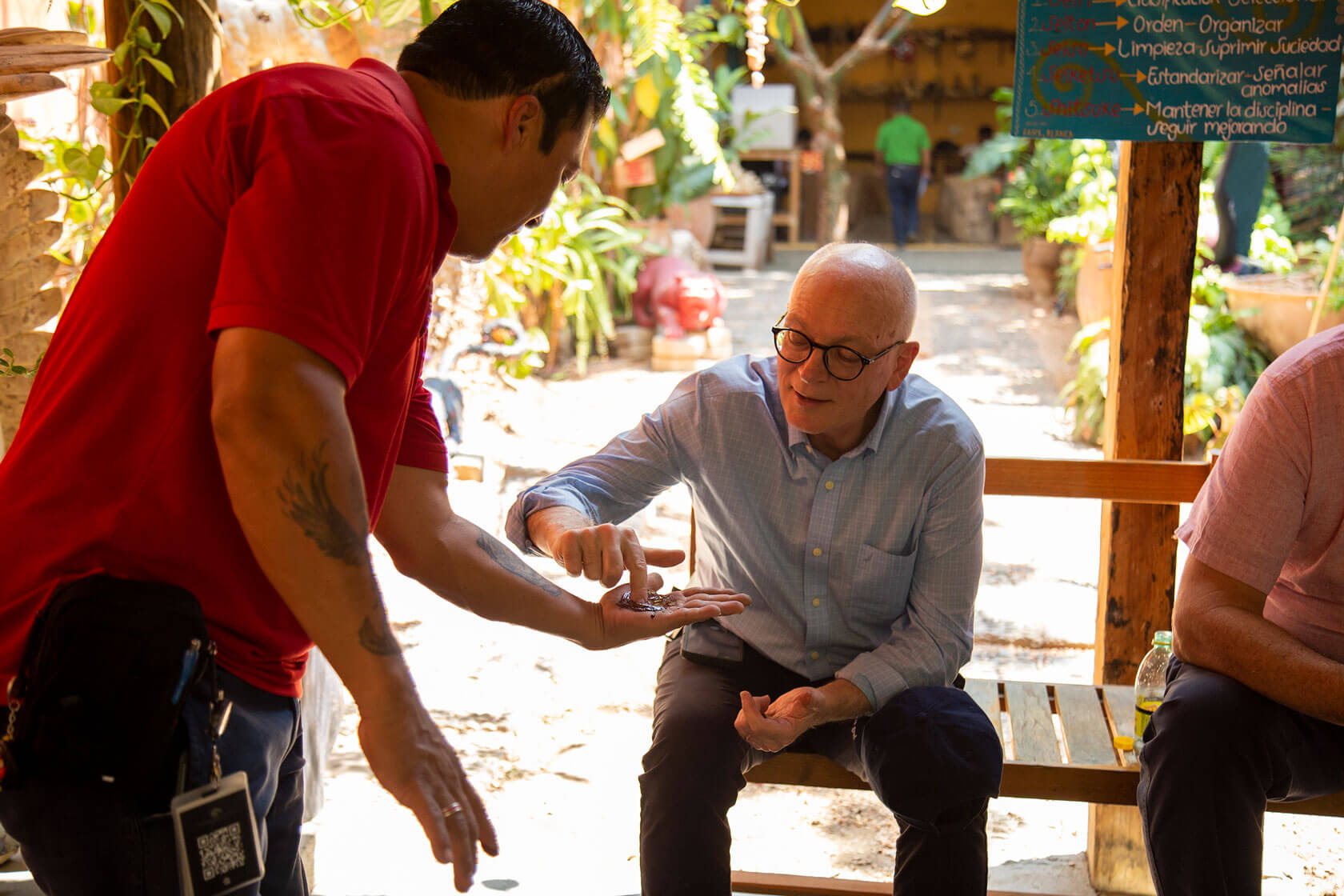
Another thing I’ll add is success cannot be measured by numbers and reports alone. Data and analysis matter, but they only tell part of the story. Equally important are intuition and firsthand experience — the combination of head and heart. Visiting organizations, seeing their work up close and understanding the people behind the mission often reveals things that metrics cannot capture. Over time, you begin to recognize signs of success, such as organizational resilience, stronger leadership and a maturing capacity to navigate challenges. Those qualities may not always fit neatly into a report, but they are often the clearest indicators of lasting impact.
Mott: How has your understanding of grantmaking evolved since you first started your career in philanthropy?
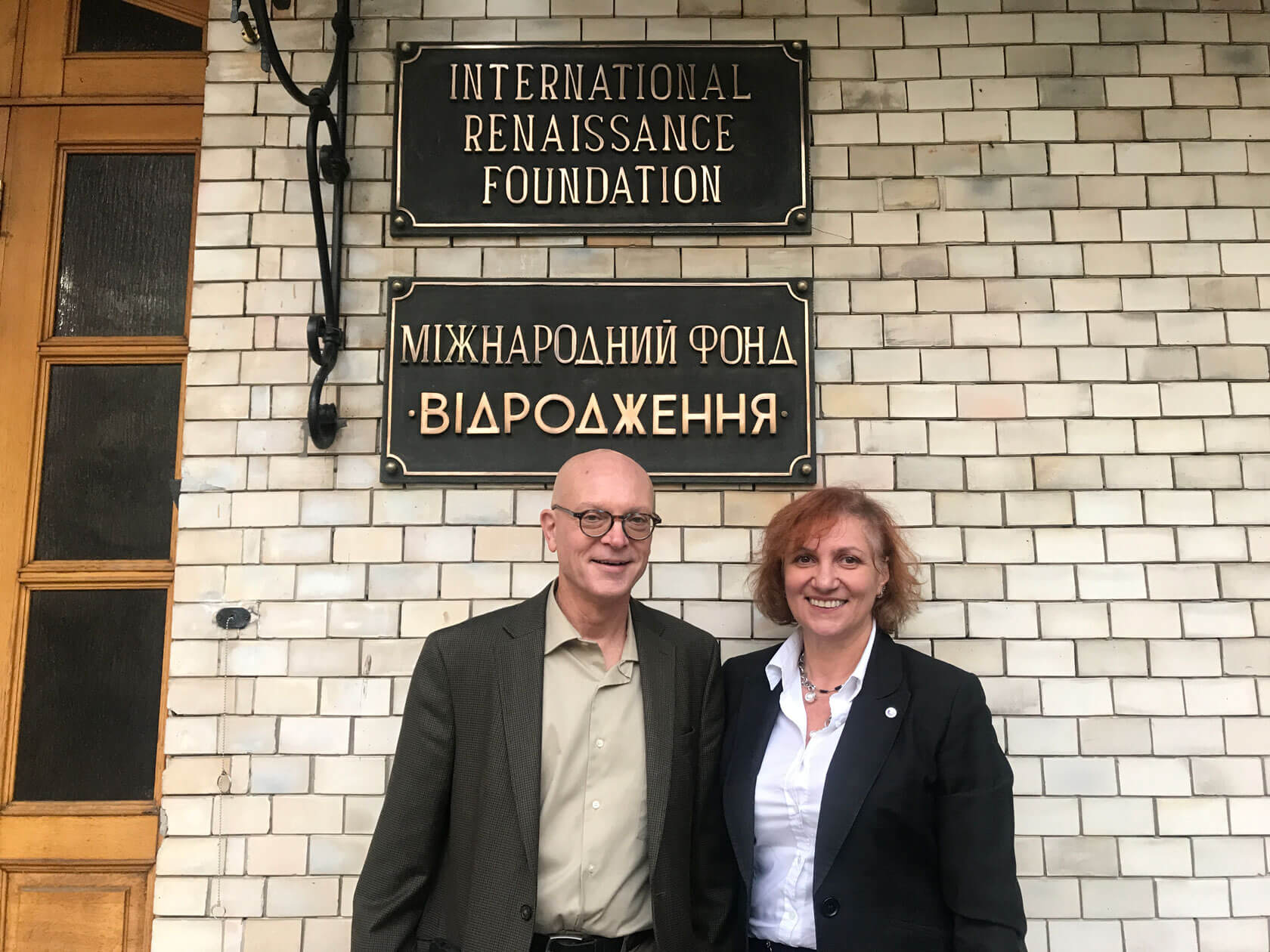
Deychakiwsky: I believe more and more that philanthropy is at its best when it’s about a relationship — and not a transaction. When I first started working for the International Renaissance Foundation in Kyiv in 1992, grants were often viewed simply as contracts. It was about what you had to do legally and bureaucratically. However, many nonprofits around the world don’t find this approach helpful. It can take them off their mission, becoming implementors of a foundation’s expectations — rather than doing what they know is best.
Trust-based philanthropy and participatory grantmaking are what we are now moving toward in the sector. A grant is not just a contract. As such, grantmakers need to pay attention to co-creation and co-design with nonprofit partners, giving flexibility as much as possible to the organizations doing the actual work. We have to recognize that foundations are only the enablers of the work. We are supporting nonprofits to do what they do best, rather than just what we think is best.
Mott: What advice do you have for aspiring program officers?
Deychakiwsky: In my view, the two most important qualities for aspiring program officers are humility and curiosity. Humility is essential because program officers often serve as gatekeepers of funding, yet the real experts are the grantees and communities doing the work. Effective program officers understand their position and influence, recognize the limits of their own expertise, and focus on how they can add value rather than how they can direct outcomes. Curiosity is equally important. The best program officers are constantly learning — reading widely, asking questions, and seeking to understand the broader field and the perspectives of those working within it.
Beyond those qualities, it is important to be patient yet persistent. Stay grounded in your values but remain open to perspectives that differ from your own. Meaningful progress often requires listening carefully, considering ideas you may not initially agree with and finding common ground.
Aspiring program officers should also be mindful not to let personal likes and dislikes get in the way of building relationships and accomplishing shared goals. The work is most effective when it is guided by respect, collaboration and a genuine willingness to learn from others.