


Zhanna Solovyova paced back and forth around her kitchen, tears flowing from her eyes as she asked herself, “What can I do for my country?”
It was the first hours of Russia’s full-scale invasion of Ukraine.
“I’m not a doctor. I’m not a nurse. What can I do? I’m useless to my country,” she agonized.
Solovyova has led the Zhytomyr Community Foundation since its founding in 2012, helping guide the organization’s work in the city of roughly 257,000 residents, located 88 miles west of Kyiv.
“Then I got my idea,” said Solovyova. “Fundraising. I will raise money for the Zhytomyr Community Foundation. This is how I will be useful to my country and help defend my community.”
Solovyova immediately started fundraising the day after the war broke out on February 24, 2022. People sent money from all over the world. To date, the community foundation has raised close to $1 million US to support everything from internally displaced persons to medical supplies.
Even as Ukraine remains under the strain of Russia’s full-scale invasion for more than four years, Solovyova is full of energy and hope.
The Charles Stewart Mott Foundation has supported the development of community philanthropy in Ukraine for the past 20 years, providing approximately $5 million in grants to local organizations like Ednannia and the National Network of Local Philanthropy Development. These national support organizations regrant Mott resources, providing challenge grants to strengthen existing community foundations and seed grants to grow new, burgeoning ones.
As of 2026, 22 community foundations in Ukraine are members of the National Network of Local Philanthropy Development.
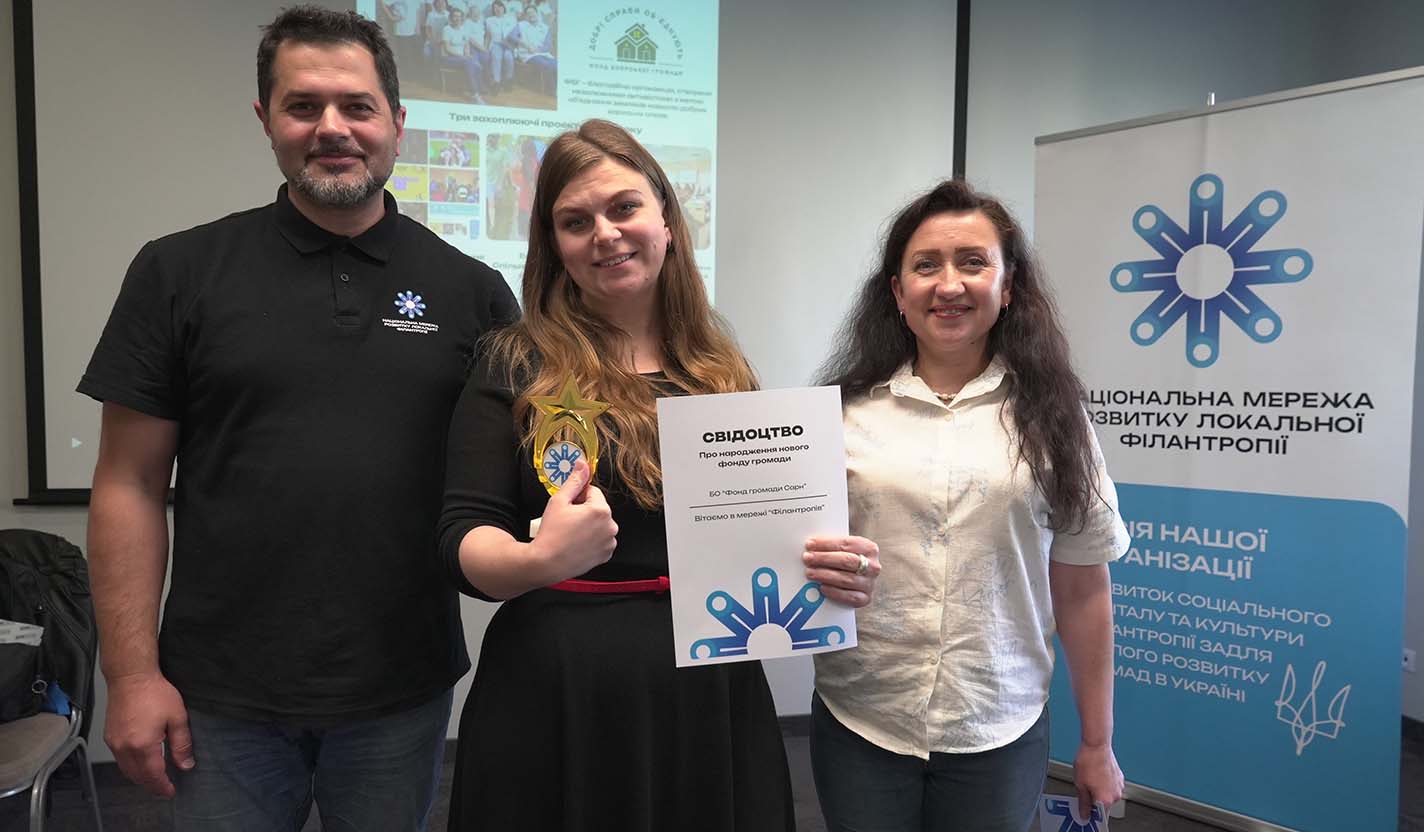
Before Russia’s full-scale invasion began in 2022, Ukrainian community foundations mostly focused on cultural activities, recreational projects and youth initiatives, funded largely by local donors. They built playgrounds and organized music festivals.
When the war began, community foundations transformed almost overnight. They started delivering food and medicine and providing evacuation support. They assisted IDPs. They supported hospitals with medicine and supplies.
In Vinnytsia, for example, the Podilska Hromada Community Foundation rapidly secured emergency supplies and coordinated volunteers to clear debris after a missile strike.
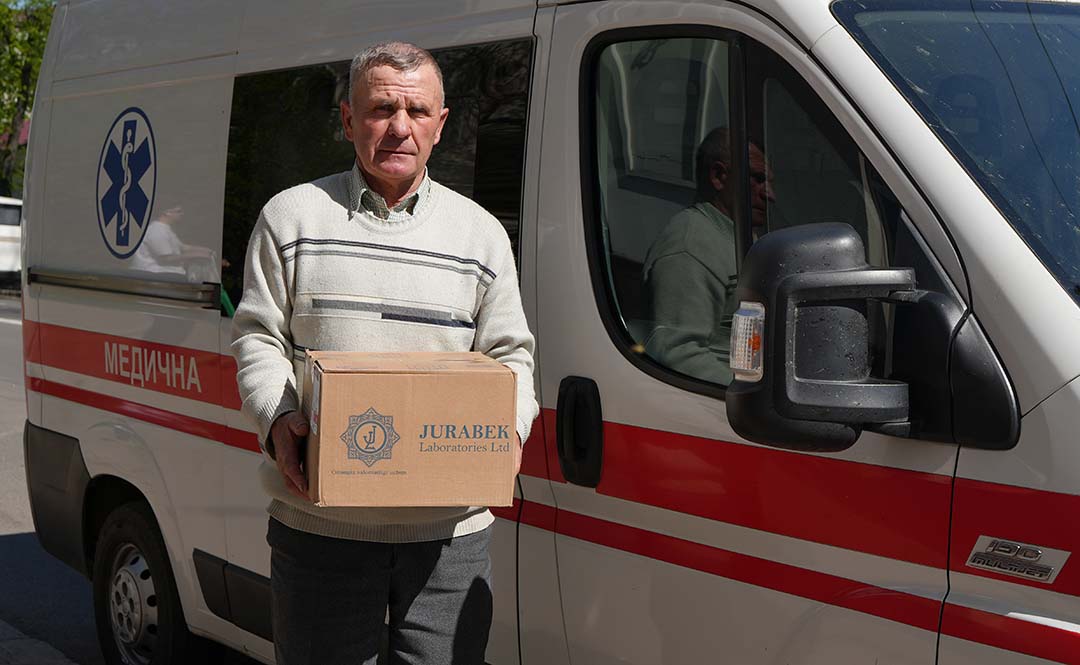
In Kherson, the Zakhyst Community Foundation, located just miles from the frontlines in a city once under occupation, collaborated with local authorities to track community needs and supply humanitarian aid.
“This is a powerful illustration of how local philanthropic institutions can flexibly and quickly respond in a crisis, while also being in place to support their communities over the long term,” said Nick Deychakiwsky, a Mott Foundation senior program officer who has covered grantmaking in Ukraine and community philanthropy around the world for more than a quarter century. “We’ve seen this happen in so many parts of the world.”
“It is responsiveness driven by local knowledge and trust,” explained Daria Rybalchenko, director of Ukraine’s National Network of Local Philanthropy Development, a grantee of the Mott Foundation since 2024. Founded in 2014, the National Network is committed to uniting and building the capacity of community foundations across Ukraine.
“The ability of community foundations to listen to residents and adapt continuously is central to their effectiveness,” added Viktoriia Zablotska, program and partnership manager at the National Network.
“Because they are already embedded in communities, community foundations have become trusted emergency responders — often responding faster and in a more targeted manner than large international organizations,” said Deychakiwsky. “Their deep roots in a specific geographic area — working closely with residents and local authorities — allows them to quickly assess on-the-ground damage and route resources to the exact organizations and neighborhoods that need help the most.”
Community foundations function as connectors, knowing whom to call and how to mobilize support effectively and efficiently.
Solovyova calls this “divine logistics,” which she describes as “circumstances that come together in a fortuitous, favorable manner, often on account of interconnected relationships.”
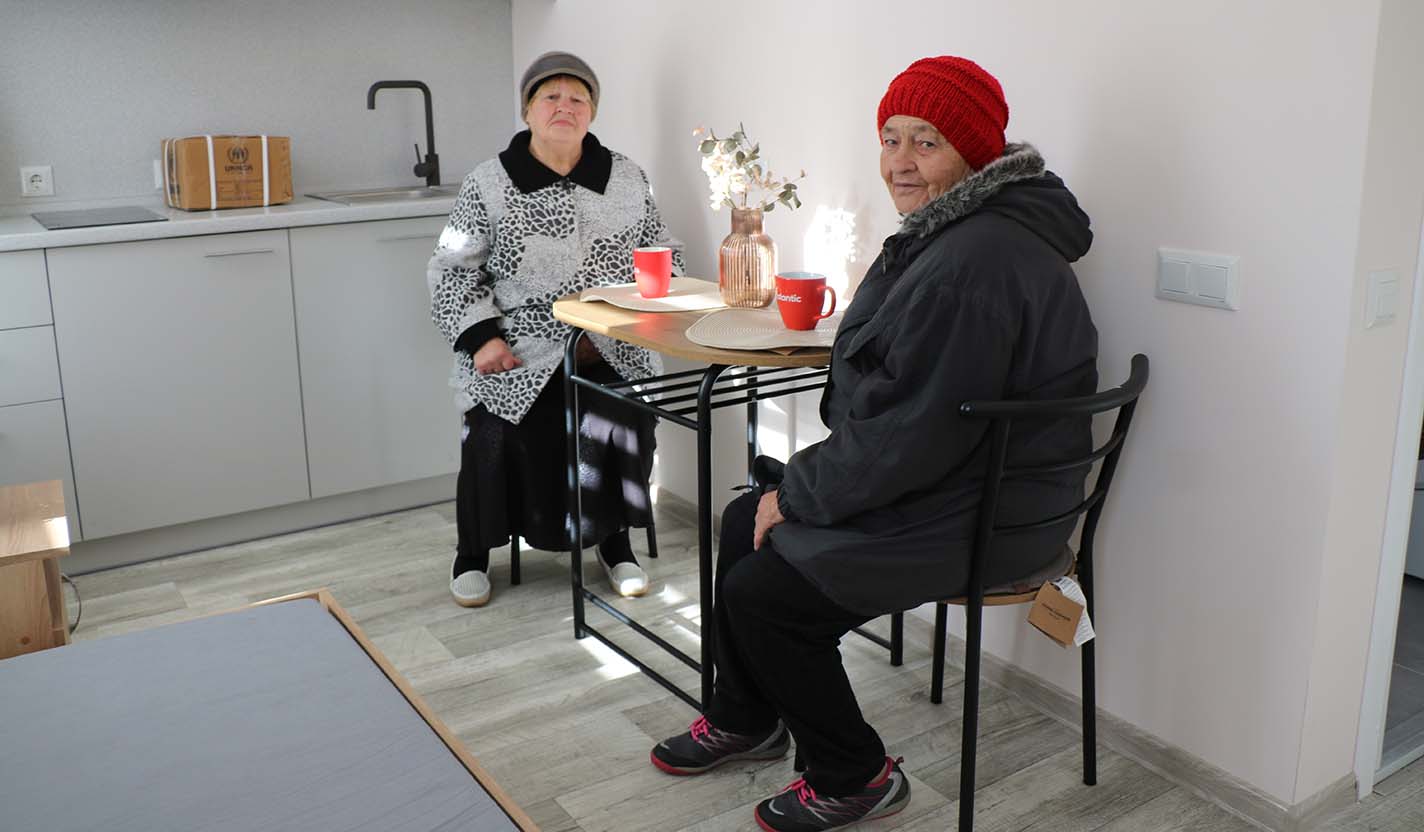
Two Ukrainian women, who are internally displaced and living in Zhytomyr, sit in their new house for the first time. The Zhytomyr Community Foundation worked with a German nonprofit organization to help construct seven new homes for IDPs.
Photo: Courtesy of Zhytomyr Community Foundation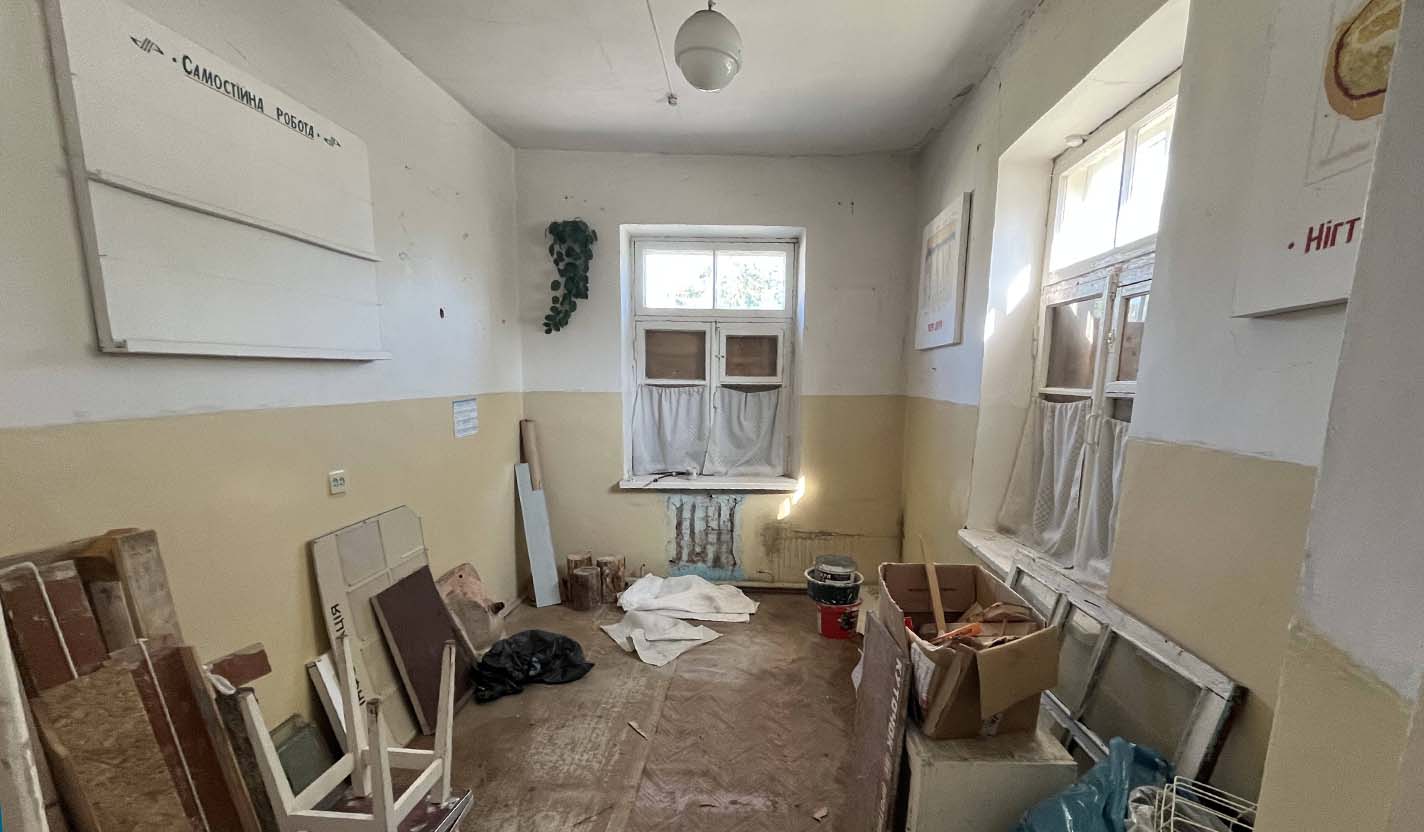
This was a run-down building before it was transformed into new housing for IDPs in Zhytomyr.
Photo: Courtesy of Zhytomyr Community Foundation
This building was transformed into a brand-new home for IDPs, facilitated by the Zhytomyr Community Foundation and its partners.
Photo: Courtesy of Zhytomyr Community Foundation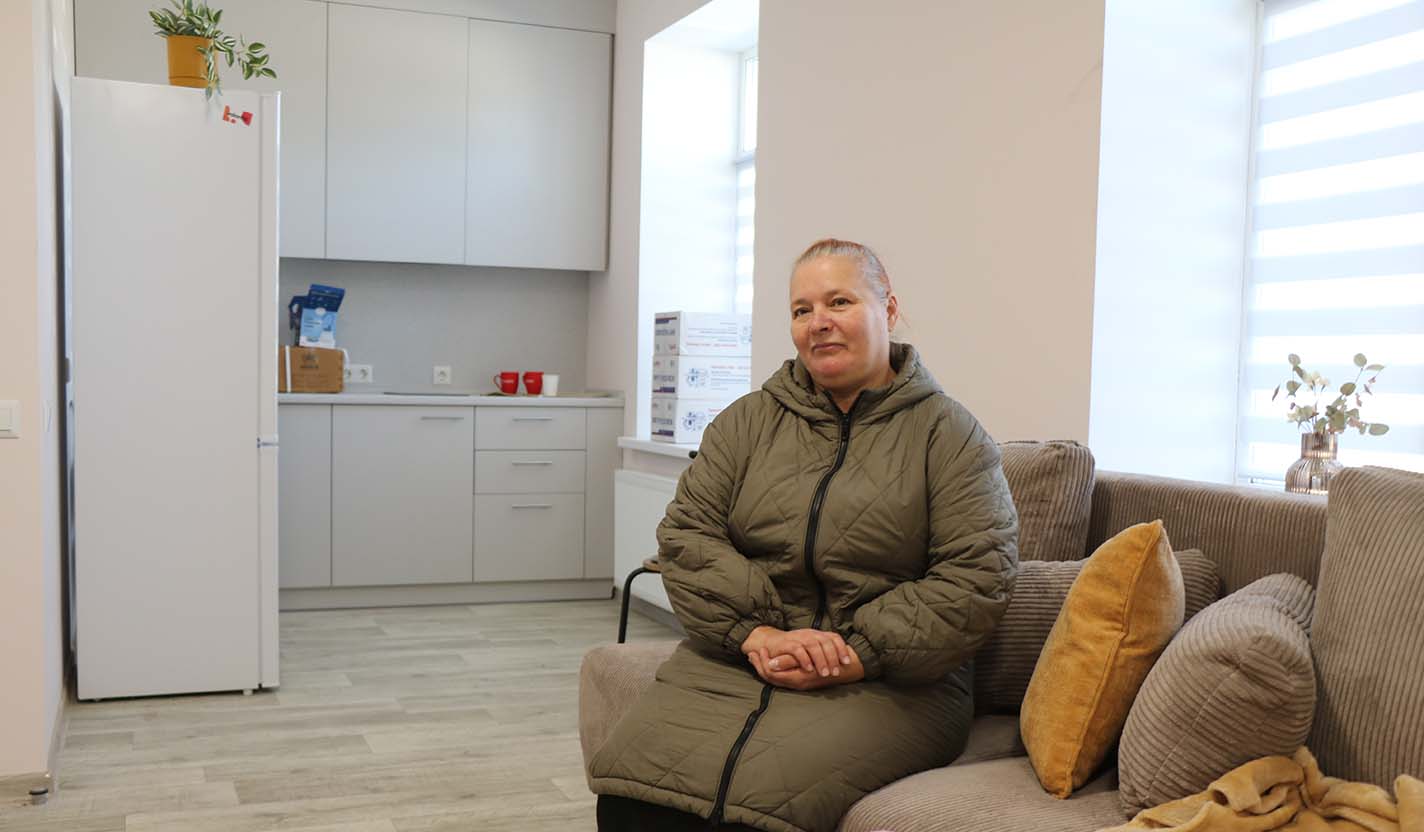
An internally displaced woman checks out newly renovated living quarters in Zhytomyr.
Photo: Courtesy of Zhytomyr Community Foundation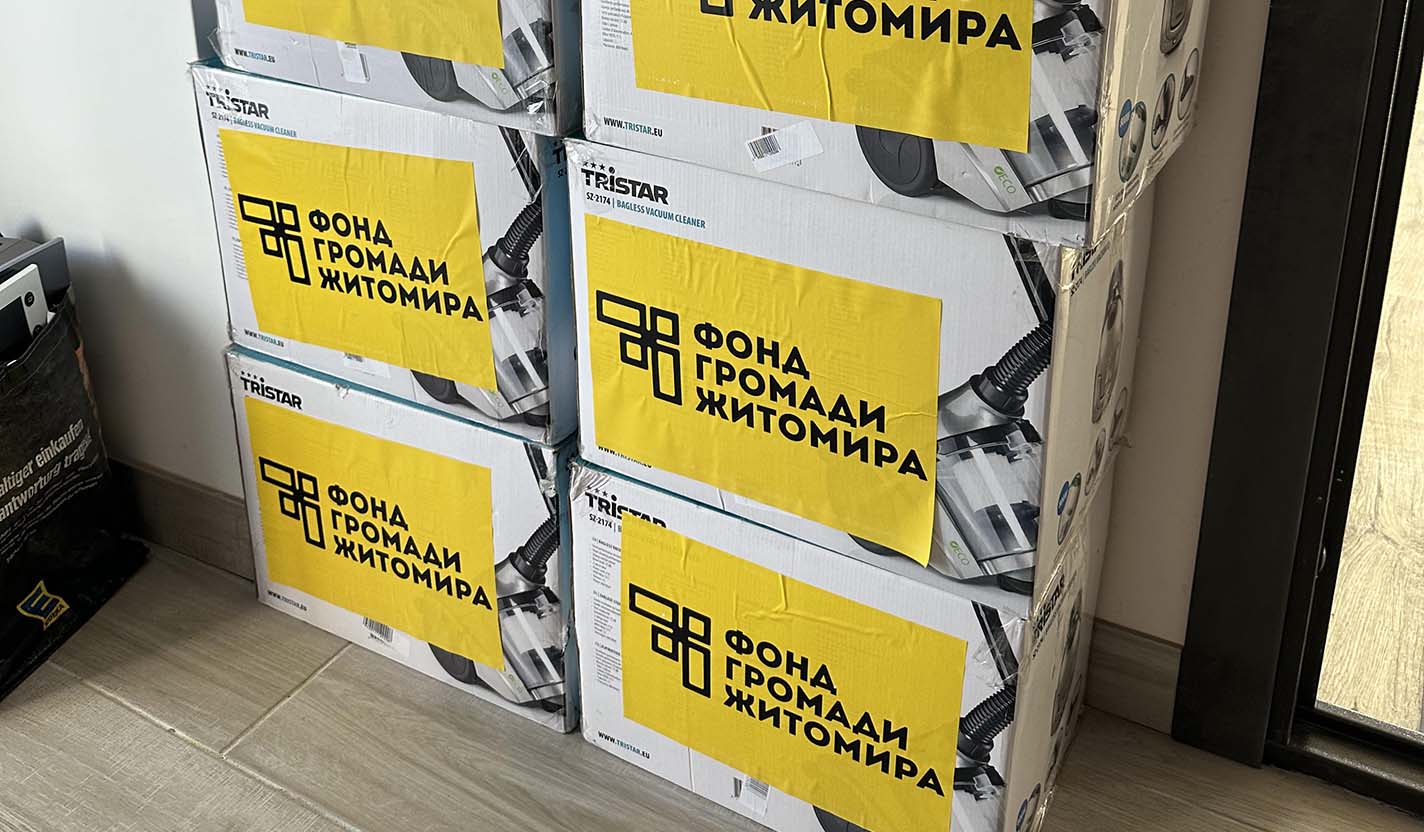
Boxes of donations to the Zhytomyr Community Foundation for its new housing for IDPs.
Photo: Courtesy of Zhytomyr Community Foundation1/5
“For example, I just happened to have coffee with a community foundation partner, who introduced me to a contact at a German nonprofit organization. As a result, we now have seven new homes for IDPs,” said Solovyova.
“Another example happened just days ago, in the early morning hours, when an explosion went off not far from my house in Zhytomyr,” she continued. “A mother and daughter lost their home in the blast. The walls fell all around them. The explosion killed their dog. But by a miracle, they came out alive.
“The Zhytomyr Community Foundation quickly stepped in and partnered with the local Rokada Charitable Foundation to secure building materials to reconstruct the family’s home. Our community foundation raised money and donated clothes and household appliances to the family. This example shows how we can help each other so much more through collaboration and cooperation. Everything is connected. It’s divine logistics.”
Solovyova’s community foundation also recently received an unexpected donation of 8.5 tons of medicine from the neighboring Republic of Moldova.
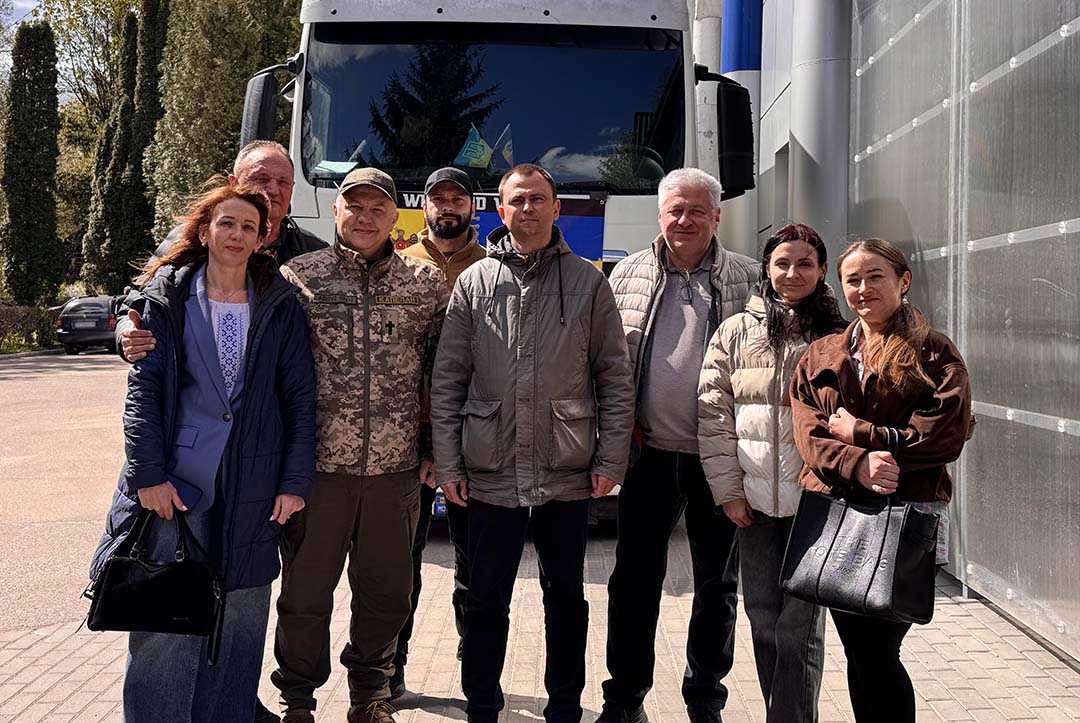
“A hospital chaplain I know called. The Ministry of Health in Moldova and the Ukrainian Embassy in Chişinău wanted to donate 8.5 tons of medicine to Zhytomyr. But they needed help to make it a reality,” said Solovyova. “The Zhytomyr Community Foundation stepped in to assist with paperwork. And it helped mobilize enough community volunteers to unload 8.5 tons of heavy boxes.
“It is possible to find resources and manpower to solve problems. You just need a good idea. You need motivation. And you need divine logistics,” Solovyova explained.
It is also a delicate balancing act.
“Community foundations in Ukraine participate in planning for the recovery of their country, even as they respond to the impacts of the ongoing war,” said Rybalchenko. “They provide generators and solar panels during blackouts from bombings while preparing for post-war reconstruction. It all happens at once. It’s a lot. But community foundations are managing it. It’s a hallmark of their resilience.”
But managing competing priorities is only part of the challenge. The war also has reshaped the culture of giving in Ukraine.
“Before 2022, local resources made up 80% of community foundation budgets,” explained Rybalchenko. “Local resources for local projects — it’s what you want in community philanthropy. However, now it’s just 15% of their budgets. Community foundations find it hard to raise money in the way they once did. It’s because people give to the military. It’s about Ukraine’s survival. As a result, many community foundations now rely primarily on international support.”
There also is an upside to this.
“Many international development partners increasingly recognize that locally led organizations like community foundations are essential — not secondary — in crisis response and are turning to them in their work, added Zablotska.”
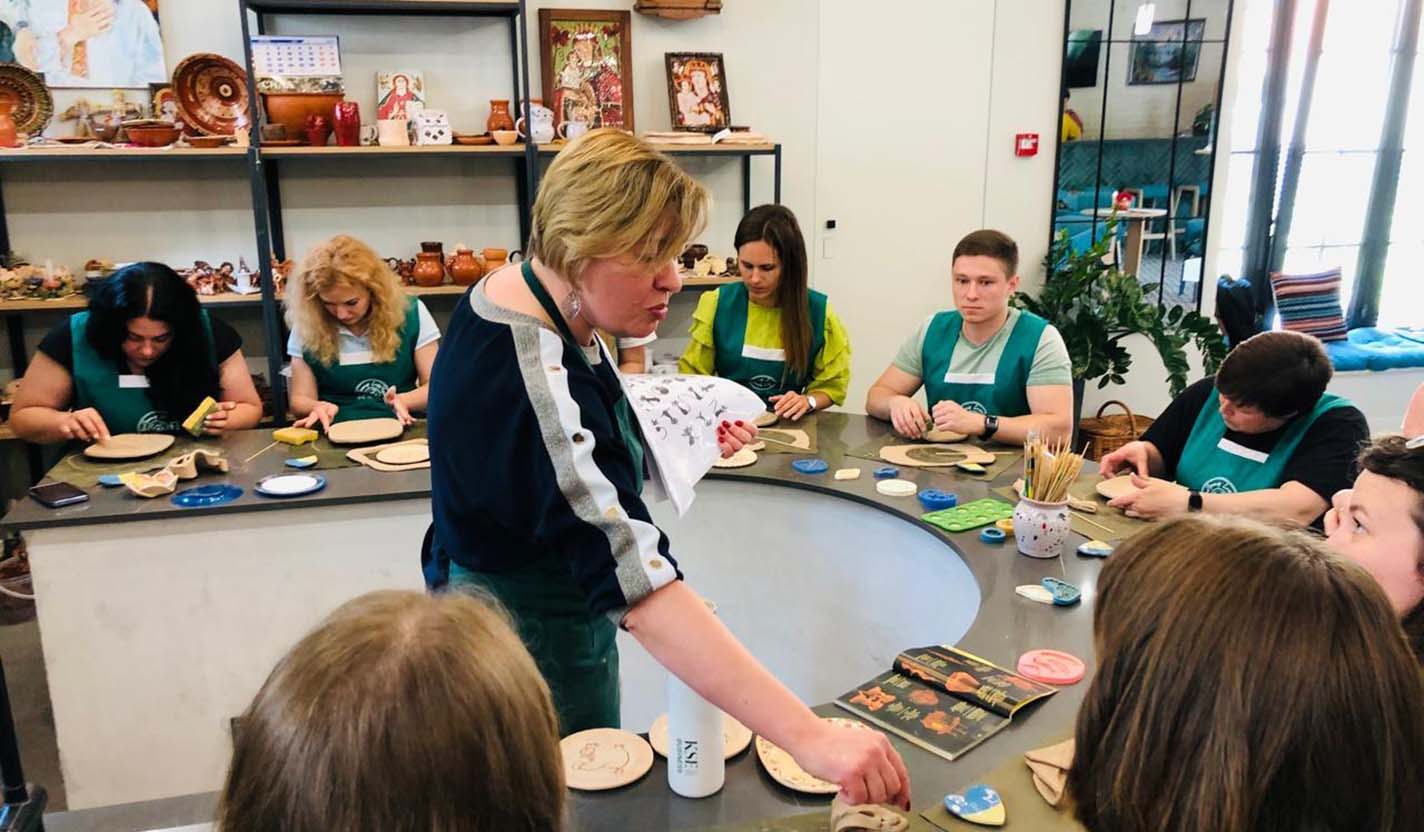
“Community foundations do not just deliver aid, though. They also help rebuild the social fabric of a war-torn country,” said Rybalchenko.
As Ukraine looks toward recovery, many international donors view community foundations as indispensable partners in rebuilding communities, because they bring more than funding or supplies. They bring relationships, trust and a deep understanding of local needs — assets that can’t be imported.
“The experience of the last four years has shown that community foundations are uniquely positioned to help communities navigate both crisis and recovery,” said Deychakiwsky. “Because they are rooted in the places they serve, they can respond quickly in emergencies while also helping residents shape a long-term vision for their future. That combination will be critical as Ukraine rebuilds.”
For Solovyova, the work has always been about more than delivering assistance.
“The opening days of the war helped me understand why I dedicated my life to civil society,” she said. “I realized I had a purpose.”
Today, the Zhytomyr Community Foundation continues to help families rebuild homes, deliver medicine and connect partners across borders. But perhaps its most important contribution is less tangible: helping people believe they can solve problems together.
“Community foundations are so important in Ukraine right now,” said Solovyova. “They are critical tools for bringing people together for community engagement and solutions-oriented thinking. Our actions motivate others to be proactive.”
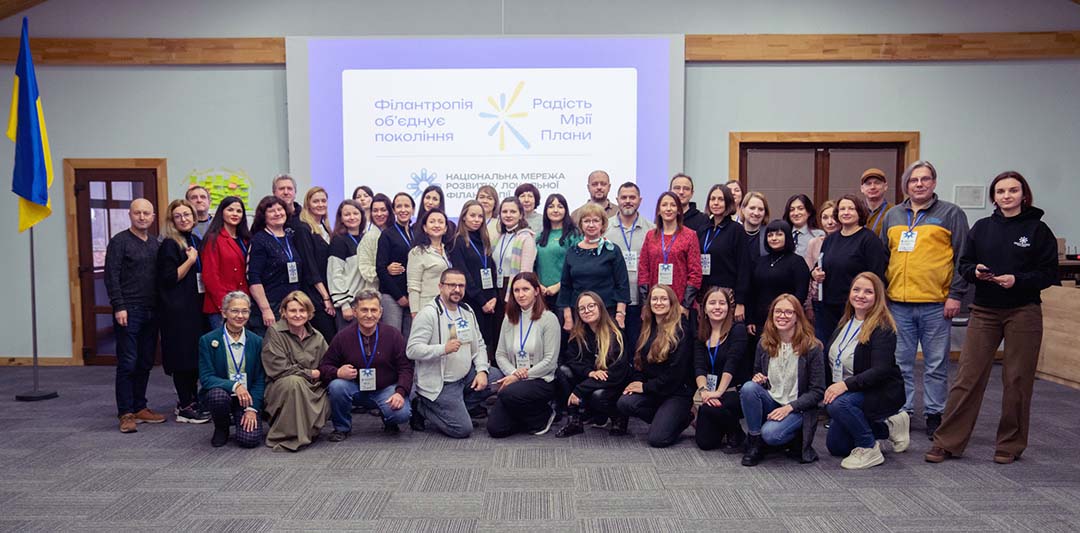
Solovyova describes it as an “infection of energy” — the spark that encourages one person to act, then another and another.
In a country tested by war, that may be one of the most valuable resources of all.
And it reminds us that the story of Ukraine’s community foundations is ultimately not only about resilience in the face of war. It is about the power of local people to organize, adapt and care for one another. From emergency responders during wartime to partners in rebuilding, community foundations are helping communities survive today while laying the foundation for a stronger Ukraine tomorrow.

